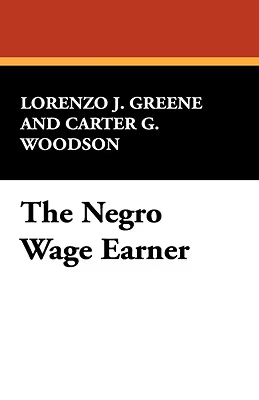
The Negro Wage Earner
Buy from AALBC
Add to Cart — $21.99More Book Details
Nonfiction, Paperback, 408 pages
Publisher: Wildside Press
ISBN: 9781434472458
 Bookshop
Description of The Negro Wage Earner
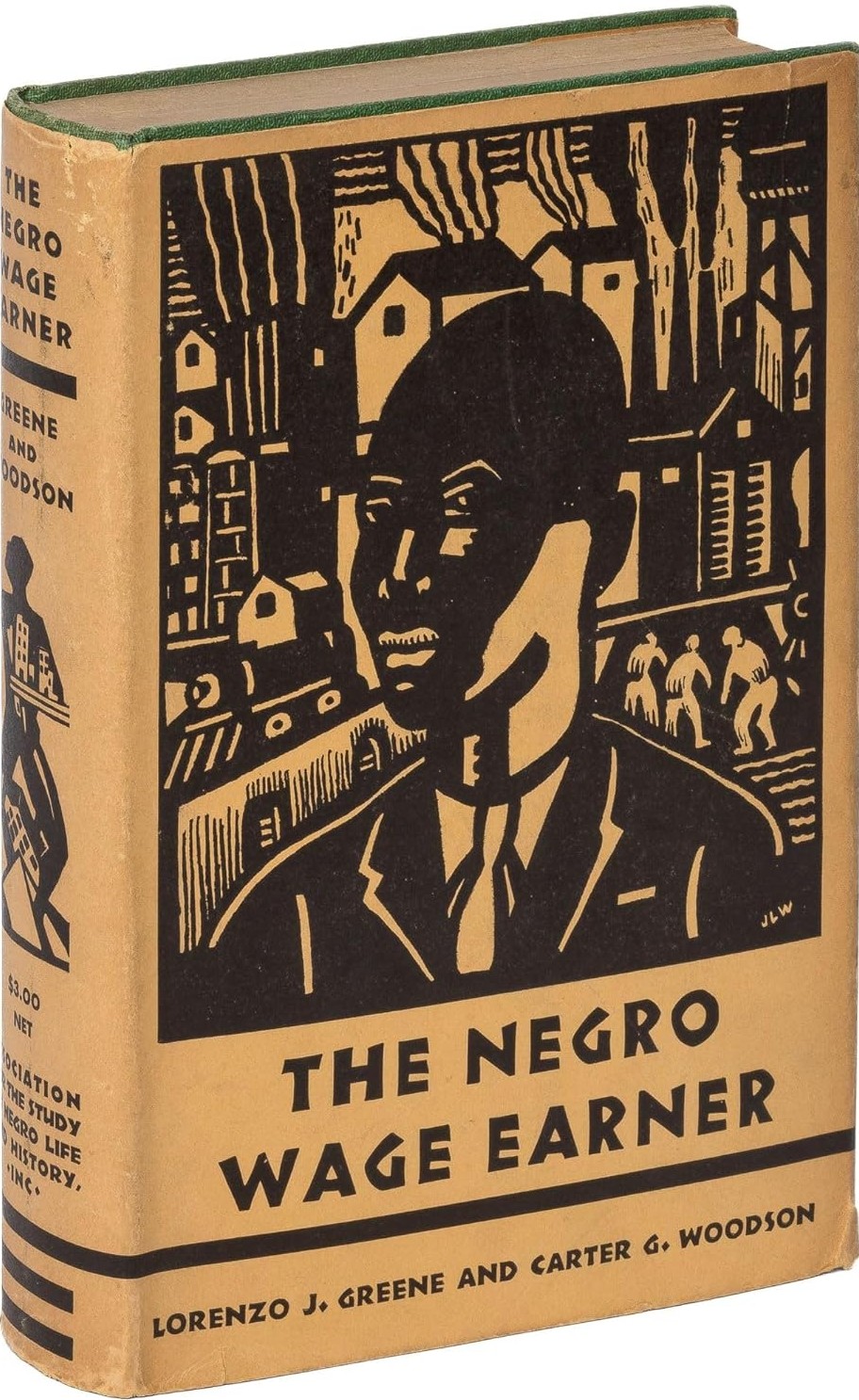 The Negro Wage Earner, first published in 1930, is one of the earliest comprehensive studies of African Americans in the labor force. The book was co-authored by historian Lorenzo J. Greene (1899–1988), a long-time professor at Lincoln University in Missouri, and Carter G. Woodson (1875–1950), widely known as the “Father of Black History.” Woodson was also the founder of the Association for the Study of Negro Life and History (ASNLH) and the creator of Negro History Week, the precursor to Black History Month.
The book was issued by the Association for the Study of Negro Life and History, Woodson’s own publishing arm dedicated to documenting and preserving African American history. In it, Greene and Woodson examine the conditions of Black workers from slavery through the early 20th century, charting the transition from enslaved labor to wage labor and the many obstacles Black workers faced in the American economy.
Among its topics are employment discrimination, wage disparities, exclusion from labor unions, and the migration of Black workers from rural to urban areas and from the South to the North. The authors also highlight the resilience of Black communities, noting their efforts to organize for better labor rights and economic opportunities.
Pioneering for its time, The Negro Wage Earner combined historical perspective with sociological data to expose systemic inequities while affirming the essential role of African Americans in the nation’s economic development.