

Leaderboard
-
Troy
Administrators1Points14,765Posts -

Dee Miller
Members1Points127Posts


Popular Content
Showing content with the highest reputation on 09/10/2023 in Posts
-
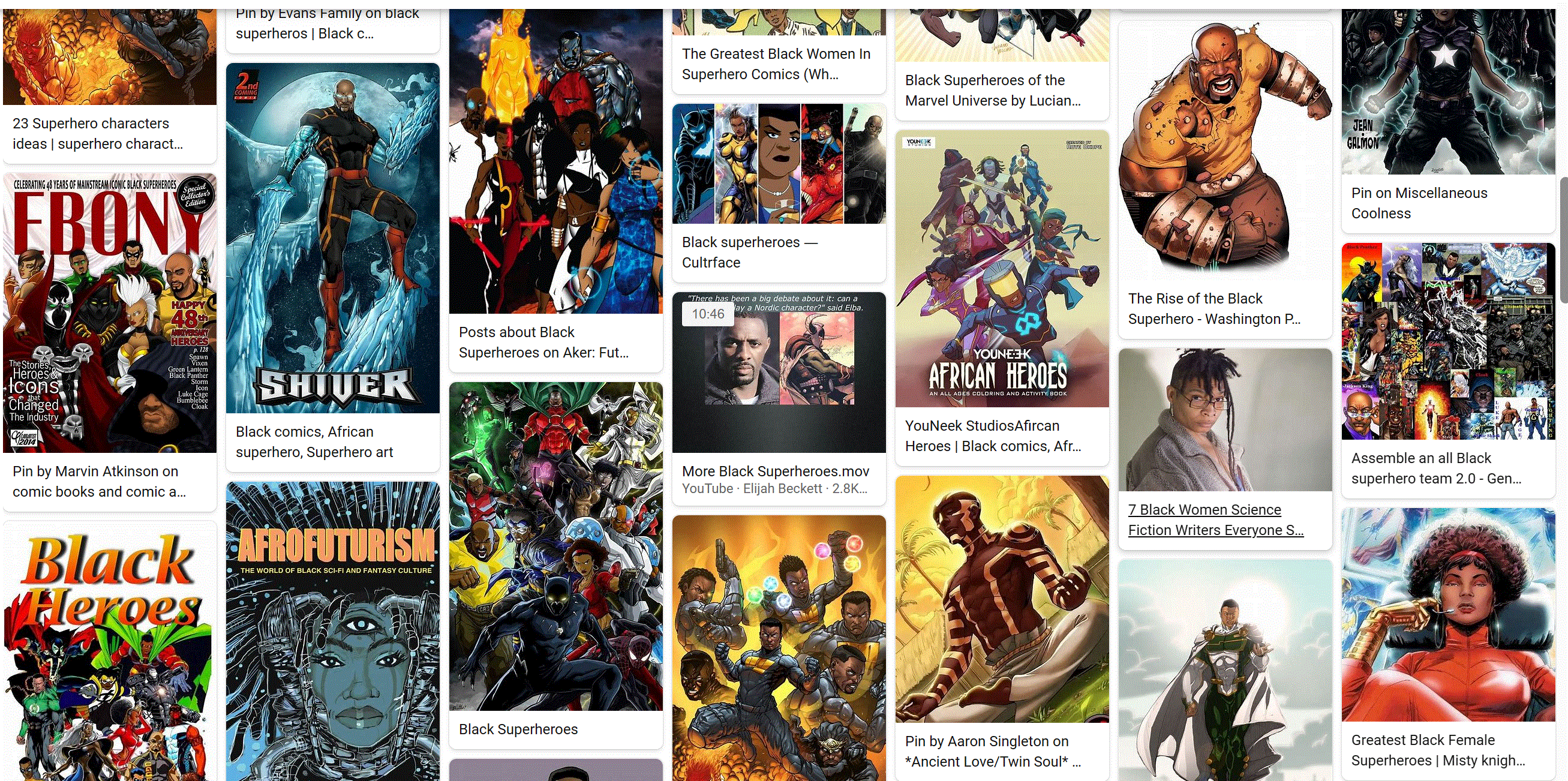
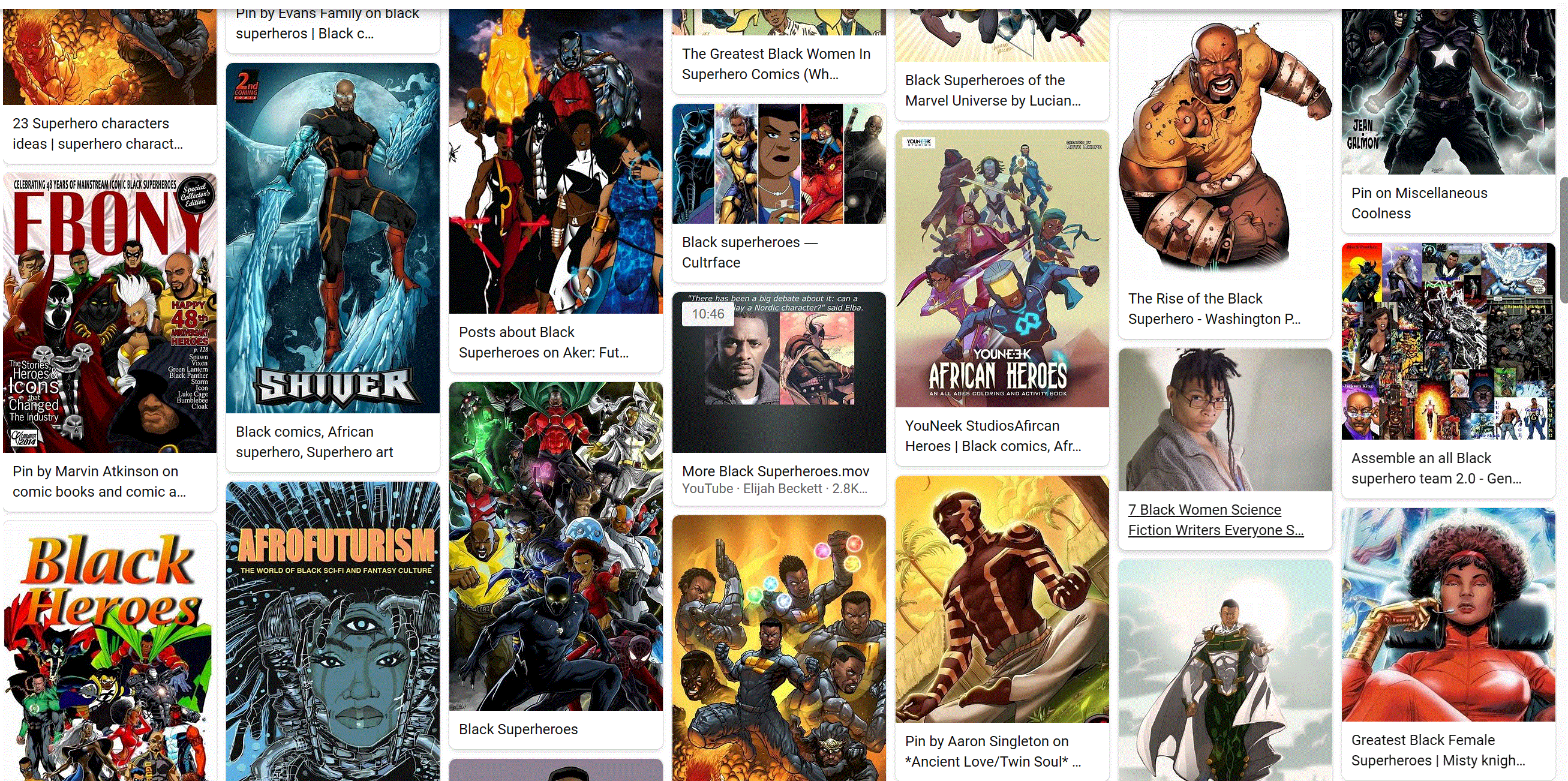
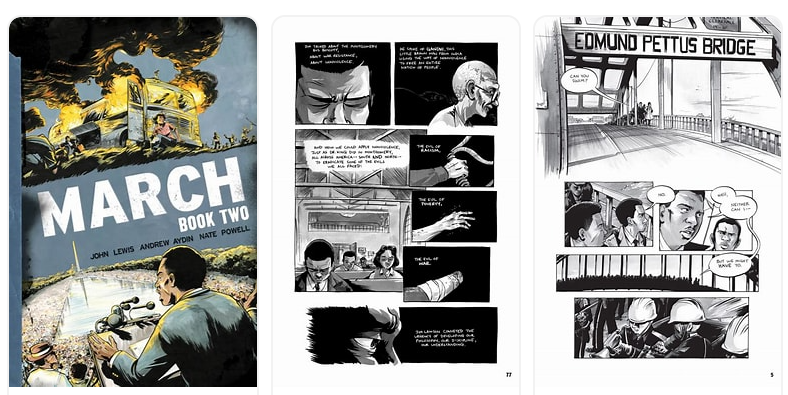
WOW!! CONGRATULATIONS JASON and 133Art!!! Thanks for sharing @richardmurray! There are more Black Superhero/Sci-Fi authors (over 20 in my search) than I thought! A couple of years ago, I attended a Black Lecture Series. A Sci-Fi author, Brandon Easton shared his desire to write about Black Heros saving the day and its evolution into the sci-fi world. Some AMAZING perseverance to stay the course in spite of the endless obstacles. Sharing a snip of just a few comic books written by African-American writers Then, I thought about US Congressman, John Lewis who, along with other writings wrote, The March Trilogy which is an autobiographical black and white graphic novel in comic format in which superheroes of the Civil Rights Movement are portrayed, It's interesting to me that these books are classified as comics, and learned that, it was the comic book Martin Luther King and the Montgomery Story (superheros)that inspired him to dive into his work of authoring The March Trilogy. What makes these books classified as comic books is that these Graphic Novels use descriptive novel-length works written in comic book style - using panels, images, speech bubbles, and narration boxes to tell a story,
 1 point
 -
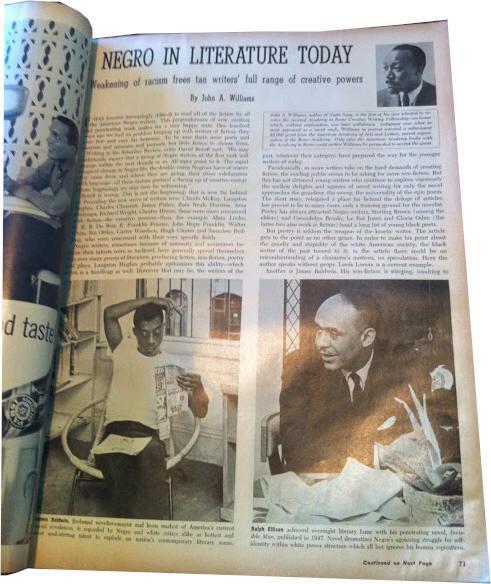
When I was a kid Ebony and Jet were ubiquitous. 🙂 I learned about Freedom's Journal and Negro Digest after starting this site. For the publication of Black Arts creative literature, no magazine was more important than the Chicago-based Johnson publication Negro Digest / Black World. Johnson published America’s most popular Black magazines, Jet and Ebony. Hoyt Fuller, who became the editor in 1961, was a Black intellectual with near-encyclopedic knowledge of Black literature and seemingly inexhaustible contacts. Because Negro Digest, a monthly, ninety-eight-page journal, was a Johnson publication, it was sold on newsstands nationwide. Originally patterned on Reader’s Digest, Negro Digest changed its name to Black World in 1970, indicative of Fuller’s view that the magazine ought to be a voice for Black people everywhere. The name change also reflected the widespread rejection of "Negro" and the adoption of "Black" as the designation of choice for people of African descent and to indicate identification with both the diaspora and Africa. The legitimation of "Black" and "African" is another enduring legacy of the Black Arts movement. Read More about Negro Diget in this article ▶ I shared information about an article "Negro in Literature Today" in Ebony that I thought was a great issue for a magazine designed for the masses.
 1 point