

Leaderboard
-
Troy
Administrators2Points14,765Posts -
.jpg.473e1f1051552796800f1e62b10321ca.jpg)
Cynique
Moderators1Points5,744Posts -

TheTruthTeller
Members1Points1Posts

.thumb.jpg.3bf9f25532a7944736ddb02aa1b64269.jpg)

Popular Content
Showing content with the highest reputation on 04/22/2016 in Posts
-
1 pointJust a final post to bid a farewell to The Board. I'm retiring because I have honestly lost interest in the subjects being discussed here. For over 60 years I've been there and heard that, and re-hashing the same ol political and social issues no longer ignites my enthusiasm or inspires my optimism. C'est la Vie. During whatever time I have left on this earth, I'm now more interested in fully immersing myself in spiritual introspection, pursuit of the truth, the nature of reality, the meaning of life, and whatever else that intrigues me. Or will I completely rule out popping up on this site once in a while. I had a dream about PRINCE last week. And now he's gone. A reminder that tomorrow is not promised, so why waste today? So long to everybody, it's been fun and thanks for everything, Troy!1 point
-
 1 pointInteresting post. As a former professional journalist, I would say that a good deal of what is published today by both black and white authors should never have made it into print. Much of it is trivial nonsense, unvetted and without merit. In the age of Internet blogging, where everyone thinks they can write, the quality of writing has reached its nadir. What's worse: like the proverbial reluctance to tell the emperor he is naked, readers and reviewers alike often loathe publicly admitting the poor quality of a work, especially one by a black author, for fear of being vilified as a "hater" who doesn't appreciate their cultural relevance etc. I would say that promoting mediocrity does not advance our cause. While honesty can be tough to hear, if taken to heart, it can be a catalyst for growth and personal development. Sadly, modern publishing is less about quality and more about money. Like everything else in America, it comes down to what sells. Bad books will disappear only when people stop promoting them and buying them.1 point
 -
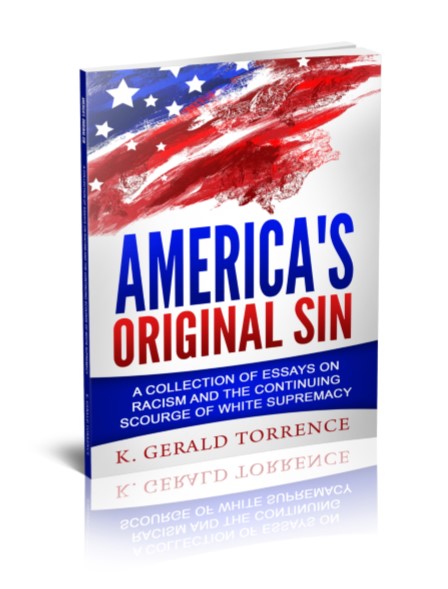
1 pointFOR IMMEDIATE RELEASE ATLANTA-BASED WRITER GERALD TORRENCE LAUNCHES HIS PLATFORM FOR SOCIAL JUSTICE, POLITICAL ACTIVISM AND CULTURAL CONSCIOUSNESS WITH HIS BOOK—AMERICA'S ORIGINAL SIN ATLANTA, Georgia – Atlanta writer and author, Gerald Torrence, presents America's Original Sin, a collection of thirty-four compelling essays promoted on his platform, TheTruthTeller, for social justice, political activism, historical enlightenment, and cultural consciousness. In light of the election of the nation’s first black president, Torrence's book was fashioned out of frustration by the mainstream media’s consistent censoring and distorting of information to fit national, political, and special interest agendas. "I’m excited to launch my first book and spread the truth about critical issues affecting African Americans and other oppressed peoples of this country and the world," says Torrence regarding his inspiration for the book. "I write for the same reason I became a lawyer ... to be a voice for the voiceless." Torrence launches into a four-part treatise on the subtle but telltale truths about racism in almost every aspect of American life. What follows are scathing indictments of racism triggered by the Justice Department’s investigation into the Ferguson, Missouri police department and President Obama’s initial denial of the very existence of racism in America. With the naked truth exposed, America’s Original Sin ultimately issues a call to mobilize a return to the rich heritage of black America. Distinguished scholar and civil rights activist, Dr. Love Henry Whelchel, calls America’s Original Sin “an impressive effort” and writes, “People will have to take seriously works of scholarship, righteous passion and intellectual courage such as that provided by Mr. Torrence.” “Sin resonates with all who have a mind to read or listen, without respect to race, color, creed or socioeconomic conditions,” says Torrence. “I hope to call a generation to consciousness and action with this book.” America’s Original Sin is available for purchase online at amazon.com. For more information visit www.the-truth-teller.com, tttspokentruth on Facebook, @tttspokentruth on Twitter, or call 678‑909‑9287. ABOUT THE AUTHOR: Gerald Torrence is an Atlanta lawyer, educator, writer, and social activist. Torrence is interested in nothing more and nothing less than the truth and he's been sharing them on his blog www.the-truth-teller.com. His writings have been published in the Denver Urban Spectrum and other Atlanta area publications. Torrence is Owner and Founder of The Truth Teller Enterprises and an ordained Baptist minister. CONTACT: The Truth Teller Enterprises info@the-truth-teller.com 678-909-9287 ###
 1 point
 -
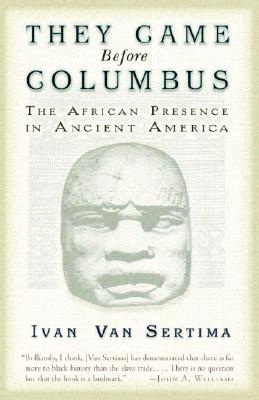
They Came Before Columbus: The African Presence in Ancient America by Ivan Van Sertima is a very popular book on the website, making our bestsellers list 11 times. They Came Before Columbus reveals a compelling, dramatic, and superbly detailed documentation of the presence and legacy of Africans in ancient America. Examining navigation and shipbuilding; cultural analogies between Native Americans and Africans; the transportation of plants, animals, and textiles between the continents; and the diaries, journals, and oral accounts of the explorers themselves.
 1 point
 -
Read the full article that the The National Law Review The self-publishing vendors (i.e., Amazon’s Kindle Digital Publishing, Barnes & Noble Nook Press and Smashwords) sought summary judgment asserting that they were not publishers of the book but merely allowed the author to use their systems to distribute it, and that were protected from any liability for third-party content by CDA Section 230. In opposing dismissal, the plaintiffs argued that the vendors worked in concert with the author to provide a platform for publishing books the same way a traditional publishing house does. Siding with the defendants, the court dismissed the claims against the self-publishing vendors, finding that their services are not “publishing,” as that word is known in the book industry. The court pointed to the terms of service that the author agreed to when registering for defendants’ services. For example, the terms of the Kindle agreement contained representations that the uploader owned all rights to the material and that no rights were being violated. In the Nook agreement, the author represented and warranted to Barnes & Noble that he held “the necessary rights, including all intellectual property rights, in and to the [book] and related content” and that the book could be “sold, marketed, displayed, distributed and promoted [by Barnes & Noble] without violating or infringing the rights of any other person or entity, including, without limitation, infringing any copyright, patent, trademark or right of privacy….” Moreover, the Smashwords agreement stressed that: “Smashwords does not… undertake[] any editorial review of the books that authors and publishers publish using its service.” It is interesting to read the summary of the court ruling. While Amazon and the other companies provide a service, and have actually given Black folks more of an opportunity for our voices to be heard, they should not be confused with publishing. You see unlike publishers that take on both financial and legal risk these self publishing platforms do neither. They get paid not matter what and assume no legal risk. Indeed they provide little more of a publishing service that my Canon printer.1 point
-
Thanks for sharing. I have to explain the differences to my clients all the time. Keep sharing knowledge.1 point