


R. E. Hayes
Members
-
Joined
-
Last visited
Everything posted by R. E. Hayes
-
In Google books I found Judith Davis in a January 1960 cover photo wearing a 2-piece bathing suit and holding a multicolored beach ball. I never saw her again after leaving Chicago, my heart skipped.
-
I neglected to mention the store was on the Southside of Chicago.
-
In 1957, I was 17 and worked at Del Farm supermarket, on South Park Avenue, as a stockboy. When the store got super busy, a call from the manager over the loudspeaker went out: “All stockboys front.” I would break my neck if Judy Davis was a cashier that day to assist her by bagging groceries. It was well known that she modeled for Ebony Magazine and she was the prettiest girl that had ever spoken to me. She called me skinny, so affectionately. With her, I learned that I was capable of opening my mouth and letting words come out that made sense and sometimes made her laugh or smile sweetly. Thus fortified, I joined the Marines a year later.
-
Okay with me
-
My goodness, someone needs to help you . . . Surveillance thesis? Meaningful conclusion ? Like I said, I’m neither a sociologist nor an anthropologist; I don’t compile data, I write fiction. Why can’t you understand this. I’m not out to PROVE anything. My comment about the lit fest was just a way to say ‘look around and see what I have seen.’ A man wearing a university T-shirt does not prove he’s a reader. I can’t believe you wrote that inane sentence. I create characters and scenes. For about two sentences in a 346 word novel a character muses about his observations and thereafter the story life continues until it ends. Let the reader determine what she or he thinks about what the character feels. By the way, I’m a retired labor lawyer and to earn a living, I proved matters in a courtroom. Your daughter has earned a JD. Why didn’t you say she’s an attorney or lawyer otherwise you leave open the question whether she is licensed to practice law or like former Congressman Jesse Jackson, Jr, never passed the bar even though he served in Congress. For him to represent himself as an attorney would be a a misdemeanor.
-
You have a profile here in AALBC, why not share it? Hell, I thought that’s what I’ve been doing. Exactly how do I post a link to my book in a way other than by posting my web site in AALBC, which I have already done? I will gladly send you the first chapter of Duped In America
-
I don’t understand how this all works. Why is there language under your last sentence about an uncle who helped him work through issues. My novel has four main characters, father, sister, mother, and brother. The character we have been discussing is the sister’s older brother. She’s an attorney, the only college grad in the family. The novel, in sum, is about her and the struggles her family faces in Chicago. The sister is the main POV, then her father, the bother, and lastly their mother. Of course I would like good reviews by people who have either read or skimmed the book and picked up conversational knowledge of what it’s about. When you go to the Printer’s Row lit fest, take note of often you see a black man lingering at a tent, picking up a book, fliping to the back of it, bringing it up, and appearing to read. If you see this, he likely is wearing a T-shirt that associates him with a university. And note how many black men you spot ‘“doing the fest” and not just strolling along amongst the masses ostensibly enjoying the ambiance. During my many years in Chicago riding the CTA, I learned it was unsafe to be distracted, having your head down reading. It made me feel physically vulnerable. There’s that word again, my “sweeping characterization.”
-
I used to visit the Printer’s Row book fear every summer, but I’m 86 now and maneuvering through a crowd of people is too arduous. Black men reading in public is not the focal point, I’m a novelist, not a sociologist, nor an anthropologist. I’m not asking the reader to accept a black male sensibility that is beyond the pale of Our existence in the 21st century. This non POV character has every reason to muse (halfway into the book) about his personal safety. If I knew for sure that I was attending the lit fest, I could promise to pay you back .99 for the Kindle purchase. In the meantime, I remain surprised that you have such facile impressions of a novel that you have not read.
-
I suppose I’m one of those people who doesn’t put his business all over the internet. I’m still on X and have been on Bluesky for about a year. Also, I don’t have an active Instagram or TikTok. As a consequence of my hermit existence, I’m not getting much notice as a writer. I need readers. In my debut novel, Be White With Me the POV character comments on how rarely you see in Chicago a black man reading a book in public, ostensibly because it invites vulnerableness, as rare in Chicago as spoting young black lovers holding hands in public . . . freedoms that some of us intuitively feel we don’t have. Did I mention I need readers? I have my two books up on am*zon for .99, and If there was a way to reimburse buyers, I would. A man named Shelberger gave me a nice reviews and Kirkus Reviews did me right. My second novel Duped in America is a timely political thriller that excavates the misery dump that we all find ourselves in since Trump stomped onto the stage and incited folks in a small Midwest Indiana college town. Incidentally, Connie, the wife of Garry Henderson the black detective co-star of the book, would appreciate the giving sentiment expressed by Erick S Gray.
-
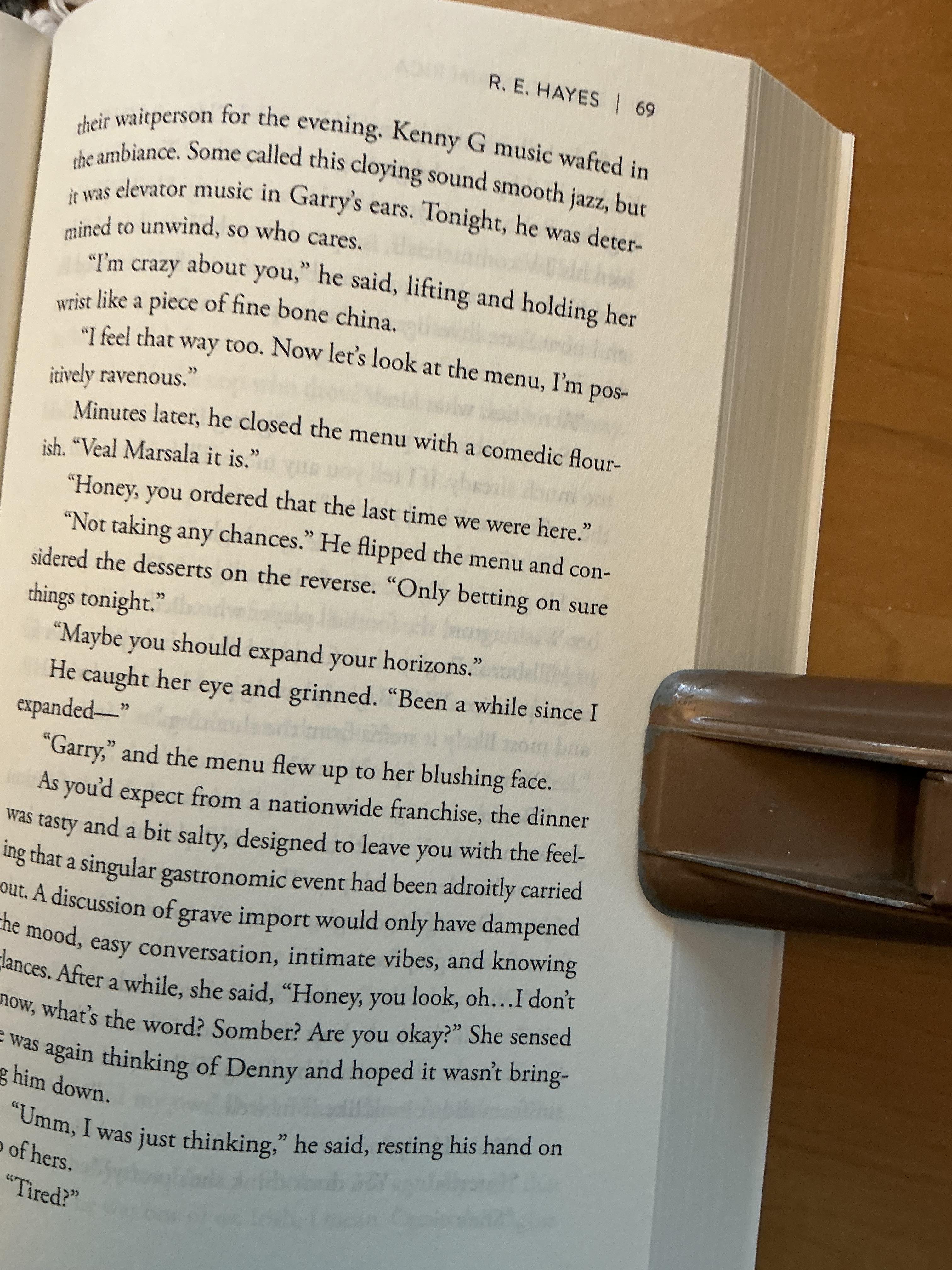
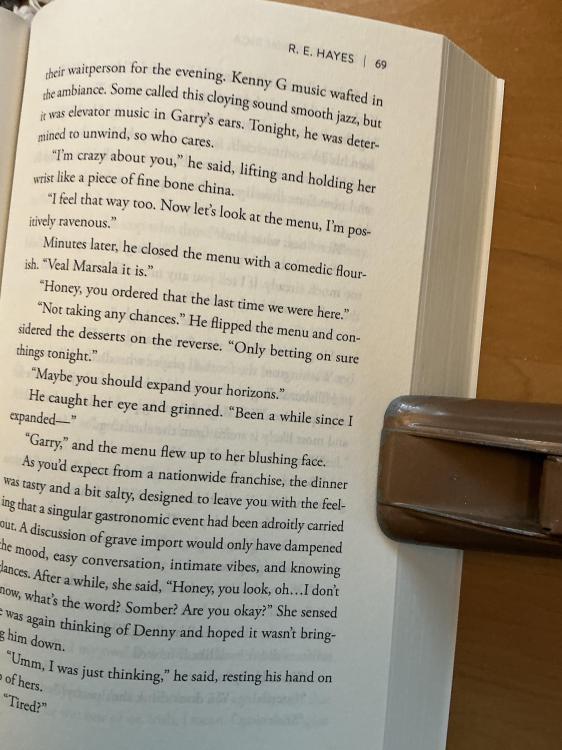
Pick up a novel in a bookstore. If you read page 69, they say, and it interests you, buy it, Duped In America, a political thriller 0.99 at am*zon Kindle. The voted for him, duped twice. I’m a black man with something to say about it.
-
It’s all so grotesque, I’m mystified.
-
March and wear T-shirts with the dog’s picture on it. Ho-hum
-
Two days ago in LA a woman was loudly and exuberantly celebrating the NY Knicks razor thin victory in game 5 of the NBA finals. A neighbor called police for a wellness check. When police arrived, the woman opened the apartment door but could not restrain her barking 106Ib dog. It got out and was fatally shot 4 times. Al Sharpton and his organization are looking into this disturbing news.
-
Thanks for the like. I always respected CBS the home of “60 Minutes and intrepid Ed Bradley who died in 2006 age 65 from from complications associated with chronic lymphocytic that he most likely contracted from Agent Orange while reporting on the Vietnam war, America’s first TV war, trucking through the jungle alongside Marine infantrymen. Ed Bradly was born a year after me and was the coolest black man seen on nationwide television. I wanted to be Ed Bradley; he had an earring on, on television, in the early 80’s! Both he and “60”Minutes get a respectful treatment as I introduce him to Denny, the son of the black detective in my novel Duped in America, and is later inadvertently killed by a cop during a stolen car chase. Ed Bradley once interviewed Lena Horne on “60 Minutes” and it was a wonderful telecast showing black peopl seemingly falling in love right then with each other other, she was still beautiful, had dated Joe Louis in his prime, and Ed, a dapper confident handsome young reporter. They dazzled on the screen, remarkable kismet!
-
At this moment I’m watching on MSNOW Stevie Wonder who is about to bring down the house at the Obama Center opening ceremony closing with Jennifer Hudson, Common, John Legend, Bruce Springsteen. I’m not “studying “ CBS though what’s happening to it is disheartening. White folks getting down!
-
Stabbing the white athlete in a moment of anger, no matter how well deserved in that toxic moment leaves us open to having engaged in savage misconduct. We must do all we can to avoid this Bigger Thomas pitfall in private and public life. Read more fiction.
-
Point well taken.
-
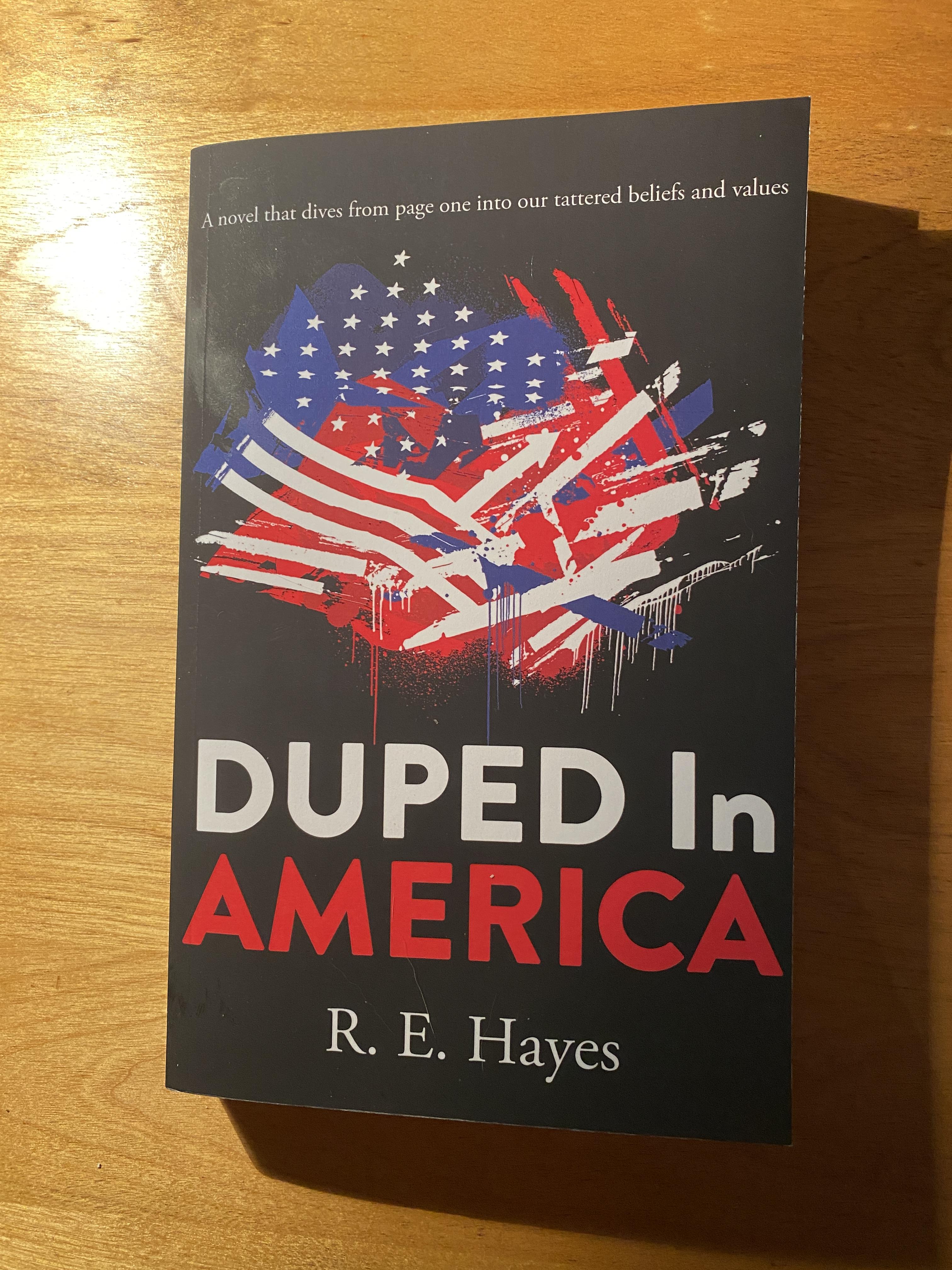
Greetings: Author: R.E. Hayes Duped In America Publication date: August 26, 2025 ISBN - 9798822988347 Palmetto Publishing 334 pages paperback am*zon Kindle .0.99 Synopsis: In 2017 Indiana, white rookie cop Holly Bagley and her ad hoc black grieving partner investigate a hate crime against black college students while navigating personal loss and social tensions in the first Trump administration. BOOK REVIEW Hayes’ novel explores themes of conscience. corruption, and the price of truth in a divided society In 2017, Holly Bagley, a young Indiana police officer, is trying to reconcile duty, family, and conscience in an era of political upheaval. The narrative opens in the shadow of Donald Trump’s rise (“Bumptious Donald Trump, avatar of festering grievances had taken the White House”) and moves swiftly into a world where private pain and public tension collide. When Holly partners with detective Garry Henderson, an older officer mourning the loss of his teen son, the story expands into a broader exploration of race, grief, and moral responsibility in small-town America. Hayes’ prose is direct often capturing the quiet ache beneath the surface. Holly’s longing for her Marine sweetheart Jimmy, who is stationed in Afghanistan, mirrors the novel’s deeper themes of memory and disillusionment. The author renders Jimmy’s trauma with raw authenticity: “Body parts lying in the street like thrash . . . It’s the stink, the stink . . . Man.” Such scenes feel painfully intimate, illustrating how war and violence reverberate beyond the battlefield. Throughout, Hayes deftly balances a crime-driven plot with emotional realism. The partnership between Holly and Henderson evolves amid rising social tension and community fractures as both characters confront what it means to serve justice in a country where the concept of justice itself feels uncertain. Later, corruption seeps inward when Holly’s father becomes entangled in a suspicious evidence case. “Bottom line,” she tells her superiors, “I wear the wire or I’m out of a job. Is that your deal, Chief?” The moment capture’s the book’s essence: personal conviction colliding with institutional rot. Hayes’ prose blends procedural grit with emotional candor. He shows compassion even for the most flawed characters, acknowledging that “grief could be a dismal sojourn in hell if precipitated by an event you had no hand in creating.” Despite its density, the story remains propulsive , culminating in revelations that test faith, duty, and forgiveness. A powerful, humane novel that turns the headlines of recent years into a moving story of loss, courage, and hope. (Kirkus Reviews) Hopefully, the above review might induce other readers to invest 99 cents on Kindle Thanks. You can see the cover and more at www.rehayesauthorlawyer2.com