

Leaderboard
-
Troy
Administrators2Points14,727Posts -
EVO Universe
Members2Points8Posts -
.jpg.473e1f1051552796800f1e62b10321ca.jpg)
Cynique
Moderators2Points5,744Posts -
Del
Members1Points374Posts

.thumb.jpg.3bf9f25532a7944736ddb02aa1b64269.jpg)
Popular Content
Showing content with the highest reputation on 03/21/2018 in Posts
-
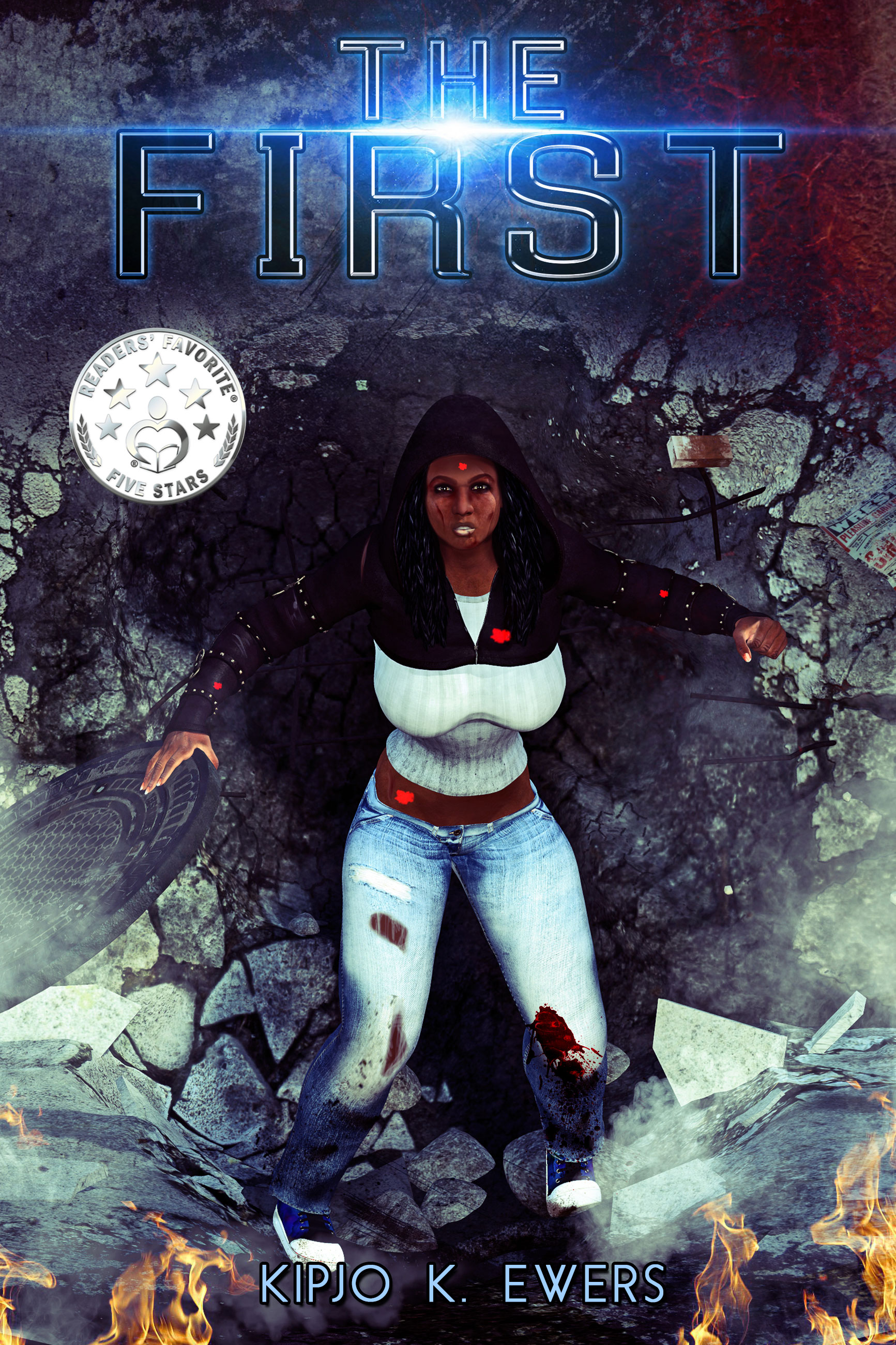
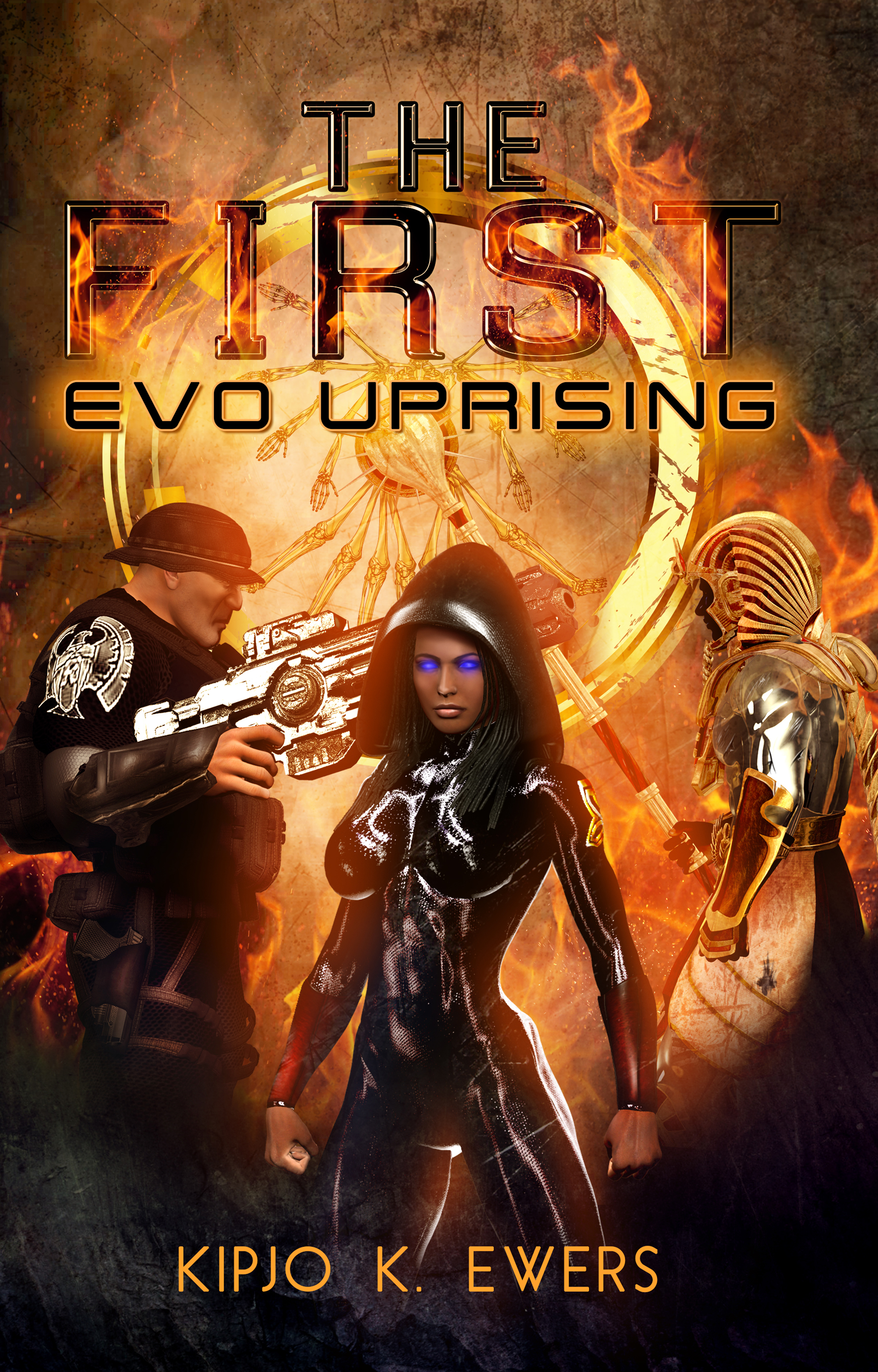
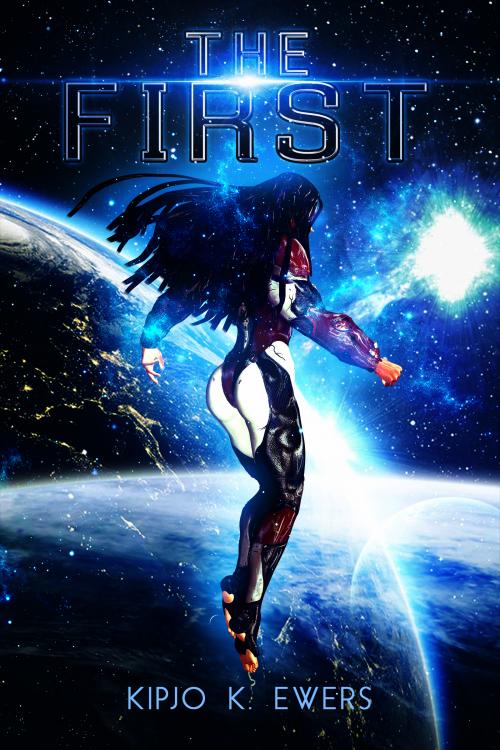
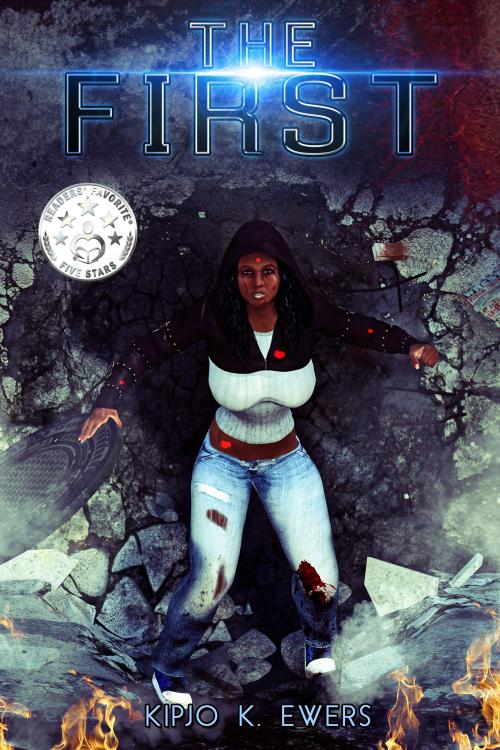
2 pointsHaving Black Panther withdrawal? Looking for powerful original superheroes to read about? Then enter the EVO Universe! From the mind of Kipjo K. Ewers, enter the world of Sophia Dennison. The story of a young woman executed for the murder of her husband and miraculously resurrected as the first superhuman to walk the Earth. In searching for those responsible for her husband's death, events take place causing her to accidentally give birth to an entire superhuman race. Now because of her, heroes and villains now walk the Earth. Pick up the ongoing series today titled "The First", and the spin-off series titled "Eye of Ra". Available at EVO Universe, Amazon, Aubible.com, Google Play, and iTunes. Learn more about the EVO Universe @ : https://www.evouniverse.com/ https://www.facebook.com/EVOUniverse/ https://twitter.com/JoEwers https://www.youtube.com/channel/UC-jnCizZoga7AXD1owYMCxw https://www.tumblr.com/blog/evocomics https://www.goodreads.com/author/show/7248579.Kipjo_Kenyatta_Ewers https://plus.google.com/u/0/+KipjoEwersEVOUniverse
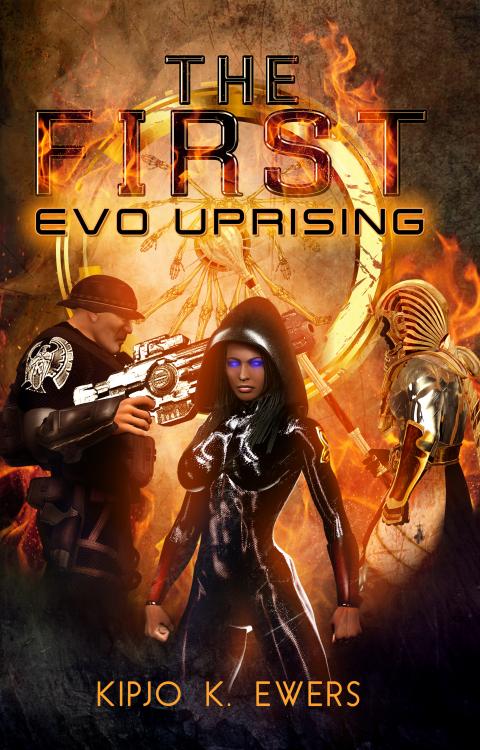
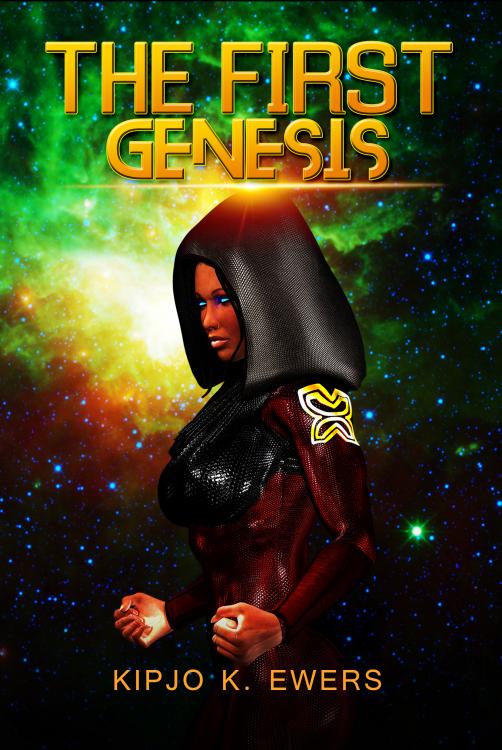
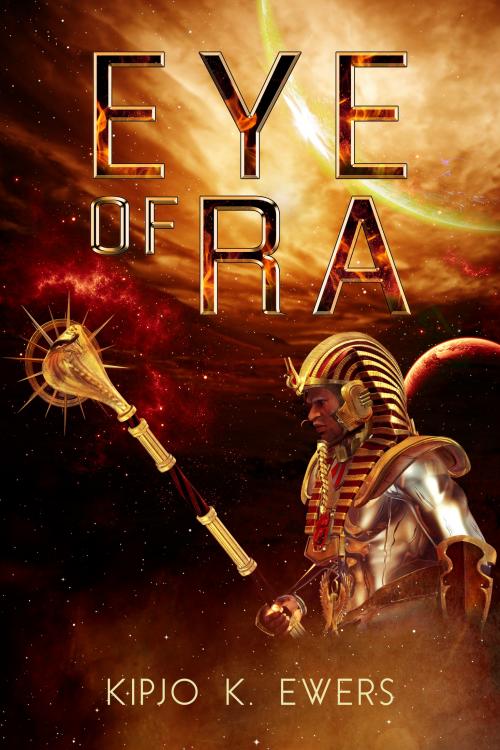 2 points
 -
@Cynique, I'm not attempting to speak for Sean; I'm elaborating on his statement. If religion is not fundamentally philosophical what is it? @Delano, the reason I shared this quote is that Sean is saying there is indeed an overlap between science and philosophy (I'd as argue religion) when you ask question like do we have free will.1 point
-
1 pointTo me, this advocacy harks back to Booker T. Washington who made white people extremely happy by supporting the idea that blacks should restrict their aspirations to excelling at manual labor, and the tilling of the soil. The narrative was full of generalities, and sins of omission; there's a great black middle-class out there whose members are staying afloat. Not all recent black college grads are working at MacDonalds. And it begs the question as to whether a black college graduate is better equipped to survive in a diverse, high-tech, competitive economy than a high school graduate or drop-out, the latter of whom are doomed to working the welfare system, or toiling at minimum wage jobs or engaging in lucrative criminal activity. Plus, just because you are not of college caliber, doesn't guarantee that you and your "uneducated" self will excel in some other venture that will pay well. Of course there have always been successful, self-made entrepreneurs; exceptions to the rule because small businesses have a high rate of failure. Everybody agrees that college is not for everyone. But to imply that college is for no one, is counter-productive. Furthermore, a person can be a literate, self-educated person. I am not impressed by the idea of a well-trained black work force of ignorant people. The mind is a terrible thing to waste. This is a lecture that's all about "thinking outside the box", the rhetoric of a visionary who inspires nothing but pessimism when he acknowledges the obstacles involved in being unorthodox. The speaker is the antithesis of his ideas about information being preferable to education because the information he doled out was tainted and tentative, and what made the most sense was the historical references which were the result of him being an educated person. Everybody has a point of view and a theory, and they're entitled to it. The speaker does a competent job of outlining solutions to the problems that he has conjured up.1 point
-
1 point
-
1 pointI hope you get to see the 2019 version of GOT too. The writers who write for wikipedia do it for free. Not only would I never write forWikipedia (for free) I would never EVER give them money. Their soliciting donations is ludicrous -- Wikipedia need to be going after Google who is using their information -- probably more than Wikipedia does themselves.1 point
-
1 pointNow it's your turn to be told you are man of good character. And you are.1 point