

Leaderboard
.jpg.473e1f1051552796800f1e62b10321ca.jpg)
.thumb.jpg.3bf9f25532a7944736ddb02aa1b64269.jpg)

Popular Content
Showing content with the highest reputation on 06/15/2015 in all areas
-
1 pointNothing surprises me anymore. Lunacy is rampant in the land! And when what constitutes blackness is juxtaposed with what constitutes craziness, there’s a common thread. In addition to all the bizarre occurrences daily reported by the media, I have never in my life encountered so many people who strike me as crazy as the ones I come across on the internet. When folks don't have to be accountable for their behavior because they can hide behind avatars and anonymity, their true selves emerge. And it ain't pretty. I find myself wondering that if one's behavior is sociopathic, is one a sociopath no matter what one's facade masks? Applying this question to race I ask if, as many claim, it is an artificial concept, then if you identify with blackness to the point of passing for black, are you black no matter what your DNA is? This situation is too crazy to assess because of the ambiguity of blackness. To me Rachel Dolezal, the white wanna-be sista making headlines, sounds like a woman who has taken on a leadership position in a black organization for the same reason that some black people do. They like the spotlight, the prestige, and the authority that goes with this status. An extra perk for these spokespeople is being entrusted with the role of dramatizing black victimization by delivering the scripted rhetoric that calls attention to their “mission” - and themselves! Racism provides a platform for their egoism. It is also been my observation that some African-Americans who look like they could pass for white but identify themselves as black, secretly like the favorable reaction they get by doing this, particularly the approval of any dark skin people who are humbly honored by this act of condescension. To me, Rachel Dolezal complies with this profile. Bottom line, she engages in this charade because she’d rather be a black somebody than a white nobody! I consider her an opportunist whose motivation suggests a psychosis; a coo-coo Caucasian. ( And people of her ilk are making me neurotic!) As for Walter White, back in the day, he was what was known as a "voluntary negro", a “race man” who could, but did not pass for white. One explanation given for his long career in the NAACP was how, when it came to fund raising, his appearance helped ingratiate him to white philanthropists who felt more comfortable making financial donations when approached by someone who looked the way they did.1 point
-
I haven't added to this dialogue anywhere. I'm only writing here to acknowledge my agreement with you that if we turn this into something for the improvement of Black biz it would be great.1 point
-
 1 pointWith the call for more diversity in publishing, where are the showcases for African Americans who are in publishing just not with the Big 5 (4?) I have a independent press in Georgia that publishes authors from around the globe. We have three new releases out and three more on the way.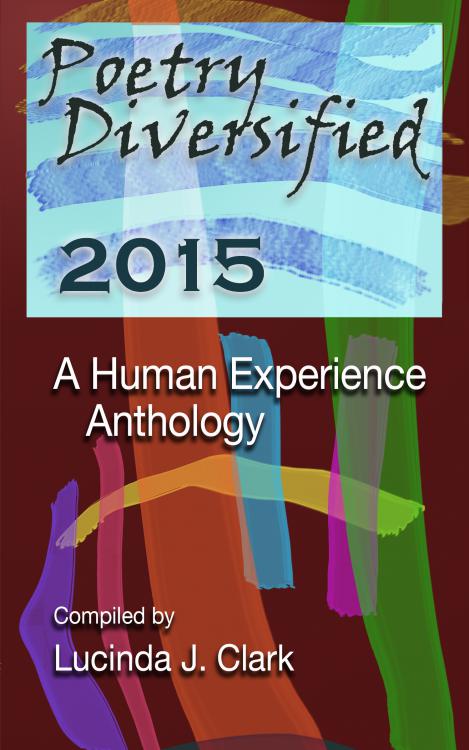
 1 point
 -
1 pointThe crazies I encounter who represent themselves with avatars, are mostly on the game sites, more specifically Pogo Bridge and Spades players. I've always maintained that you can tell a lot about a person by the way he/she plays cards, and these people are unbelievable. They cheat, they are sore losers, they're rude, vicious, psychotic, impatient, racist, bullies - you name it. Playing bridge, which used to be a civilized game, seems to bring out the worst in the new influx of young players from the "Gamer" culture which is an offshoot of America's obsession with winning at any cost. I also play the devil's advocate when getting into on-line discussions which usually involve religion and these people literally equate me with the devil. Rachel and Caitlyn are examples of a world where now anything goes, and political correctness which once fostered tolerance is becoming intolerant of people who ridicule the outrageous. And so it goes...1 point