

Leaderboard

Popular Content
Showing content with the highest reputation on 03/12/2024 in all areas
-
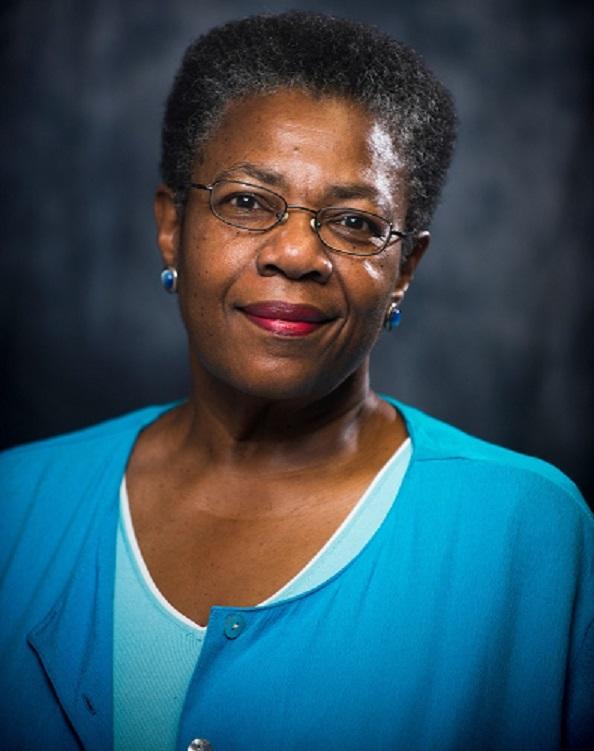
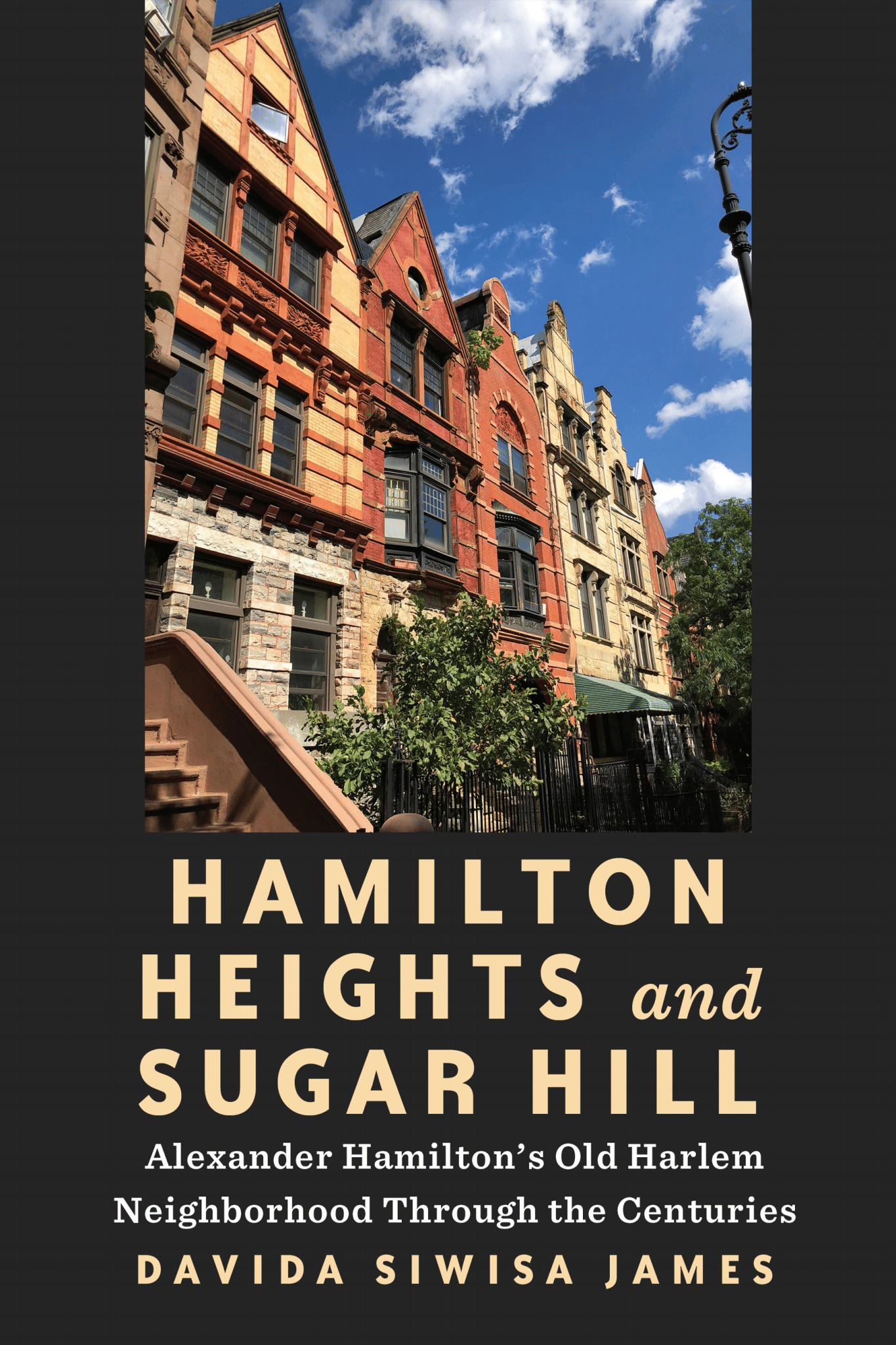
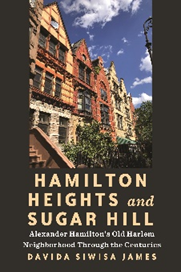
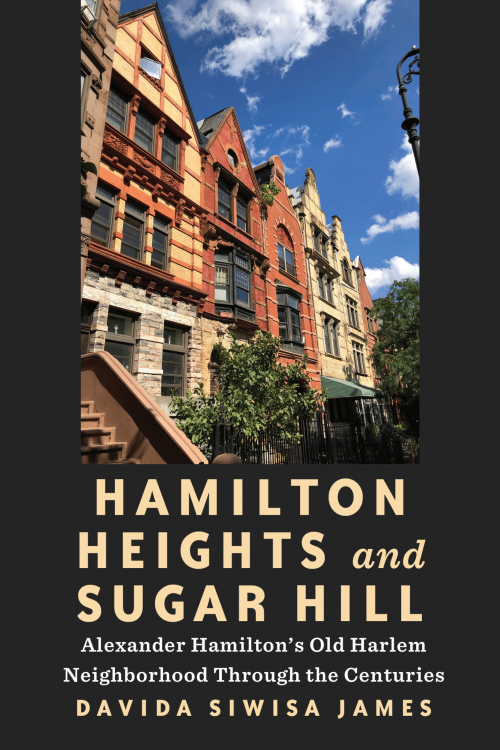
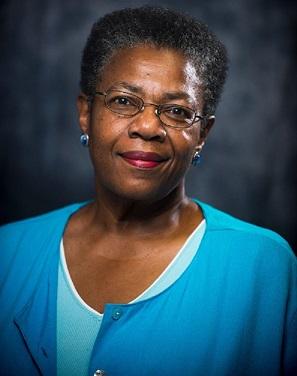
BOOK PRESS RELEASE Publication Date: April 2, 2024 Unveiling Harlem’s Hidden Gems: Hamilton Heights and Sugar Hill - A Journey Through History and Culture We are excited to announce the upcoming publication of Davida Siwisa James' book Hamilton Heights and Sugar Hill: Alexander Hamilton’s Old Harlem Neighborhood Through the Centuries (Fordham University Press: April 2, 2024). In this fascinating book, James explores the rich history of Harlem's notable neighborhoods, Hamilton Heights and Sugar Hill, spanning from their origins in the 1600s to their present-day significance. Hamilton Heights and Sugar Hill begins with the neighborhoods' early days, tracing their transformation from rural farmland to a bustling section of Manhattan. The book vividly describes how these areas have been home to many influential figures throughout history, including Alexander Hamilton, Duke Ellington, George Gershwin, and Thurgood Marshall, and played a pivotal role in cultural movements like the Harlem Renaissance. As the story unfolds, readers are taken through the architectural development, social changes, and cultural milestones that have defined these neighborhoods. James' narrative is a journey through time, highlighting the unique blend of historical events, personal stories, and architectural evolution that make Hamilton Heights and Sugar Hill iconic. This book encapsulates the essence of Harlem's transformation, illustrating the resilience and growth of a community that has continually reinvented itself. With its blend of detailed historical accounts and personal narratives, Hamilton Heights and Sugar Hill serves as a valuable resource for understanding the cultural and historical significance of these neighborhoods in New York City. About the Author Davida Siwisa James is an accomplished author with a deep connection to Harlem. Her diverse body of work includes nonfiction books, essays, poems, plays, and an award-winning short story. Her insights into the history and culture of Hamilton Heights and Sugar Hill are informed by her personal experiences and extensive research. Praise for Hamilton Heights and Sugar Hill: “Over the years, several books and projects have attempted to capture the essence of Hamilton Heights and Sugar Hill, and thankfully, with Davida Siwisa James, the legendary community has its griot. She brings a fresh veneer, a lively descriptive narrative to this timeless section of Harlem. To be sure, the dramatic moments of the past are invoked and then lavishly alloyed with the neighborhood's current vibrancy.” —Herb Boyd, Professor, City College of New York, author of Baldwin’s Harlem, a biography of James Baldwin “Yes, her book is New York City history, but Davida Siwisa James' exploration of northern Manhattan across the centuries also reveals the writer/artist in her. Strings of sentences sing so poetically. Old Hamiltonian New York and twentieth century Harlem come alive with the stories in each chapter. Davida's multiple identities shine through the book: self-made historian, poet, and non-fiction writer. Peace be with you, Davida. We lovers of New York City thank you so much.” —Ron Howell, Associate Professor of Journalism, Brooklyn College, author of Boss of Black Brooklyn: The Life and Times of Bertram L. Baker “Hamilton Heights and Sugar Hill traces the transformation of New York’s West Harlem community from the ancestral hunting grounds of the Lanape Indians into the cultural mecca of Black America. Davida Siwisa James narratives with pictures of one of America’s most prolific neighborhoods. Hamilton Heights and Sugar Hill produced American icons like the writer James Weldon Johnson, the scholar George Edmund Haynes, the boxing champ Joe Louis, and the 20th century composer George Gershwin. But beyond that, this book makes an important contribution by showing how one small American neighborhood impacted New York’s culture, politics, and arts.” —Dr. Bruce Haynes, Professor of Sociology, University of California Davis, author of Down the Up Staircase: Three Generations of a Harlem Family __________________________________________________________________________ Hamilton Heights and Sugar Hill: Alexander Hamilton’s Old Harlem Neighborhood Through the Centuries Davida Siwisa James Empire State Editions; Hardcover; April 2024 ISBN: 978-1-5315-0614-8 | History | New York City & Regional | Cultural Studies | $34.95 432 pages 128 black & white illustrations eBook Available Media Contact: If you would like to receive a review copy or arrange for a virtual or in-person talk, please contact Derek Krissoff, dkrissoff@gmail.com.


 1 point
 -
Understood. AfroAmericans are several hundred years behind white folks in terms of wealth. However, considering how the continent of Africa is being carved up by outsiders and same goes for other countries, Black folks have whole countries to themselves but as a group of people they aren't too much better off than AfroAmericans financially.😎1 point
-
ProfD When I was in my 20s I had a conversation with a former mayor who ADMITTED his was a member of the fraternity commonly known as the Boule. At first when we were talking about it many years ago.....he stared at me and told me I wasn't supposed to know about that and looked at me some more and after a few words, he walked away. A week later he came back to me and asked me how I knew about the organization and we had a long conversation and although we didn't become running buddies but we developed a bit of a friendship over the years as we would talk about different things that happened around the city and current events and the state of Black people when we saw eachother. He....like other members I've met...had a different perspective or "take" on his organization than what most Black folks in the conscious community have. Most conscious Black folks who know about them see them as Gate-keepers for White rule. But they see (or atleast sell) themselves as a group of professional Black people who formed an organization to look out for their own best interests in a world dominated by White racism. If a person truly believed that White Racism and White Rule are obstacles that can't be removed or overcome and that you MUST work with them for any success, I can understand why one would join an organization where they could atleast get SOME benefit, wealth, power, and prestige.1 point
-
Not necessarily. Because there may be MULTIPLE futures in MULTIPLE Realities. An individual's future may be yet to be determined depending on their choices. The Omniscient Being knows the DIFFERENT futures/outcomes of all the DIFFERENT directions they could go but they still can go in any direction they choose.1 point