

Leaderboard
-
ProfD
Members8Points8,048Posts -
Troy
Administrators4Points14,792Posts -

Pioneer1
Members3Points13,891Posts -
Hughes A. Robinson III
Members2Points3Posts

.thumb.jpeg.e5880496da8d7058320aab5530a8a9dc.jpeg)
Popular Content
Showing content with the highest reputation since 10/05/2026 in Posts
-
2 pointsFreddie Jackson had a string of R&B hits in the 1980s. The brotha could definitely sang. Freddie was among the R&B finest before New Jack Swing came along & reshaped the landscape of R&B music. To this day, folks are still playing "You Are My Lady" or "Jam Tonght". RIP Mr. Freddie Jackson. 😎2 points
-
1 pointFor those of you who think that AI possesses consciousness.......... Emotion is a product OF consciousness. Are there any reports of AI showing emotion?1 point
-
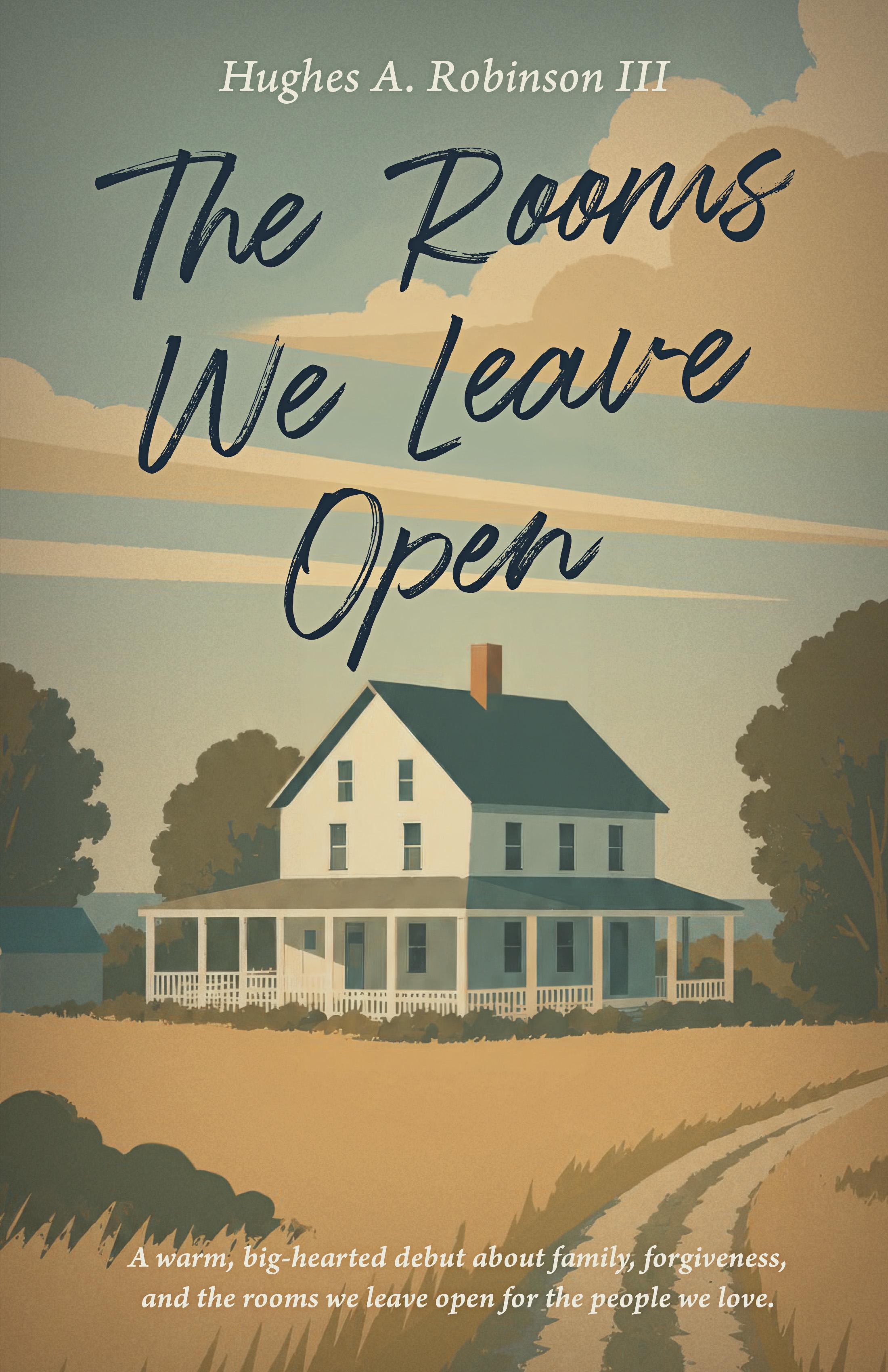
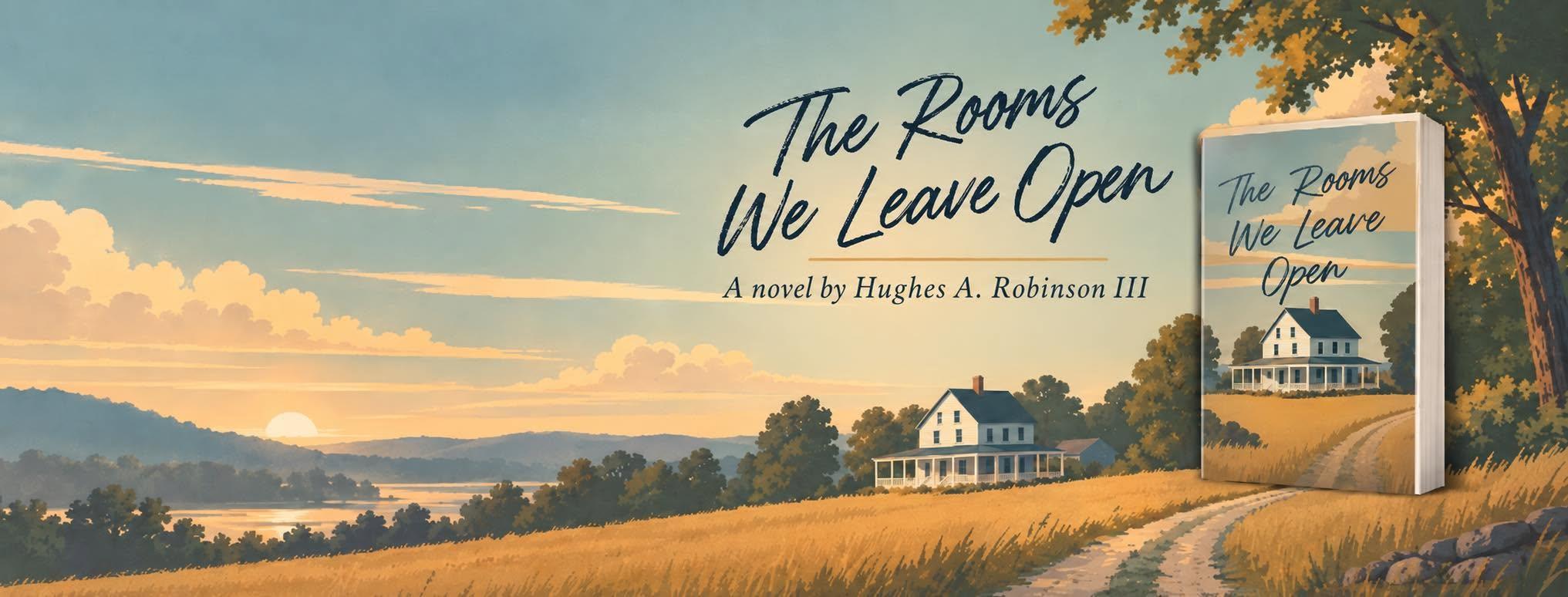
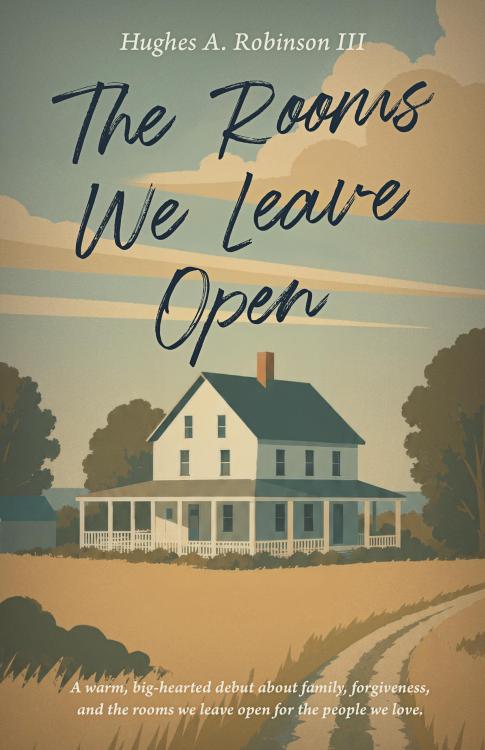
Hello, I would like to submit my debut novel, The Rooms We Leave Open, for AALBC book review consideration. Author: Hughes A. Robinson III Title: The Rooms We Leave Open ISBN-13: 979-8-9960373-0-8 Publication Date: September 14, 2026 Genre: Contemporary Fiction / Family Drama Available Formats: Paperback, hardcover, and ebook Synopsis Bestselling author Micah Freeman has built a career teaching millions of people how to find purpose, but he has spent years avoiding the place—and the relationships—that helped shape him. When Micah returns to his small Virginia hometown for his father’s seventy-fifth birthday, he expects a brief visit. Instead, he becomes drawn into the fight to save a condemned community hall with ties to the town’s civil-rights history. What begins as an effort to preserve a building forces Micah to confront old wounds, complicated family relationships, and the uncomfortable distance between the life he teaches others to live and the one he has chosen for himself. At its heart, The Rooms We Leave Open is a story about family, homecoming, forgiveness, community, legacy, and the courage it takes to stop running long enough to let people love you. I am interested in having The Rooms We Leave Open considered for an AALBC book review. If selected, I would be happy to provide a complimentary review copy in the format preferred by the reviewer. Thank you for your consideration. Hughes A. Robinson III hughesrobinson.com
 1 point
 -
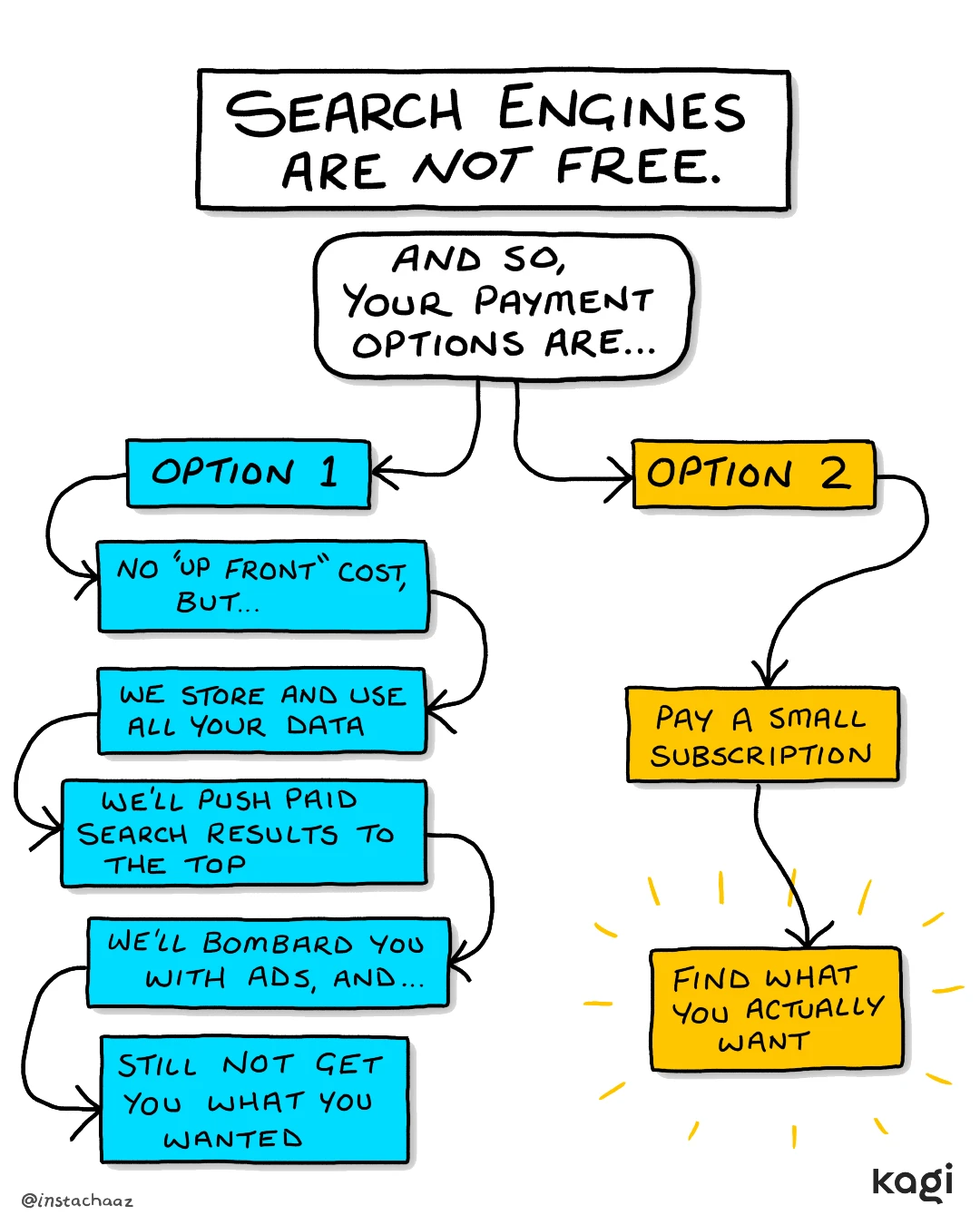
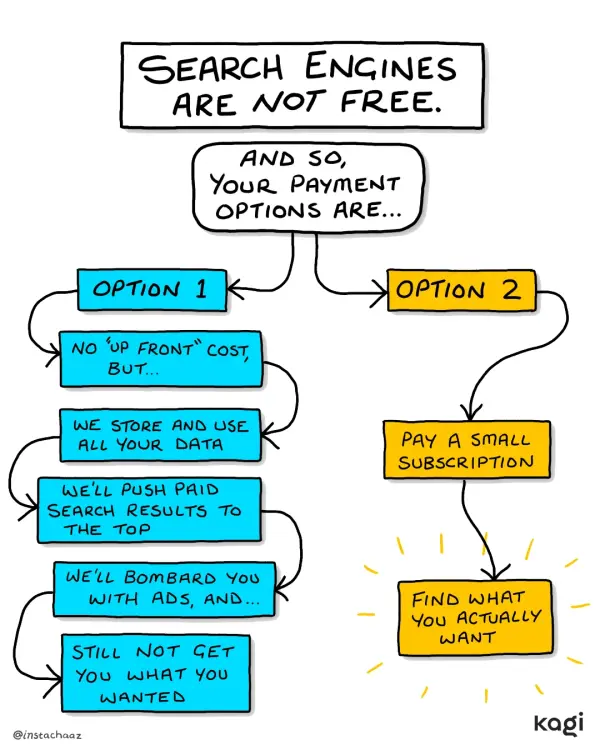
Kagi is the best search engine I've seen since the early days of Google search--back when Google just returned links to websites most likely to provide the information you were searching for rather than keeping you one the page and serving you advertisements. I'm not being compensated to share this information. I not a fan of promoting, for free, any non-Black-owned profit-driven corporation. I'm spreading the word here because I believe in the spirit of the product. I have little hope that the product will catch on for a variety of reasons--most notably after 100 searches in a month. You have to pay for the service and people don't like paying for anything--even if it is important. The reality is search was never free. "Everyone pays for search. The difference is whether you're paying with your attention, time, and private data - or with your wallet." Kagi: https://kagi.com/ is a search engine that is supported by members, not advertisers. This makes a BIG difference in search results. I don't really use Google Search very much anymore; their search engine results page especially for book related content is just horrendous. Try finding an author's official website. You get a bazillion Amazon links, social media, and walk away thinking that the authors does not have a website. Kagi returns the author's official website right up front! Lately I've been using Bing, because every month or so I get a $10 gift card to Amazon., but you have to run A LOT of queries (and I do). The search results are not great, but they are usually good enough. When searching for video Bing like to embed YouTube video in the search engine results page and serve ads -- which I hate; plus it makes it much harder to find a video on sites like sites like AALBC who have moved away from giving YouTube our video content. At the end of the day Google was screwed up with WWW with their search engine. Companies like Kagi, Duck Duck Go, and others promise to make things better. Of course, if you cannot afford to pay for search, that introduces a new problem but that one is more easily solved than the ones were have to deal with currently.
 1 point
 -
1 pointSenses in humans is more than detection. Our senses determine how we react & respond to the world around us & how we feel & influences our emotions, decisions, creativity, movements, etc. Humans use senses in a variety of ways that machines cannot.😎1 point
-
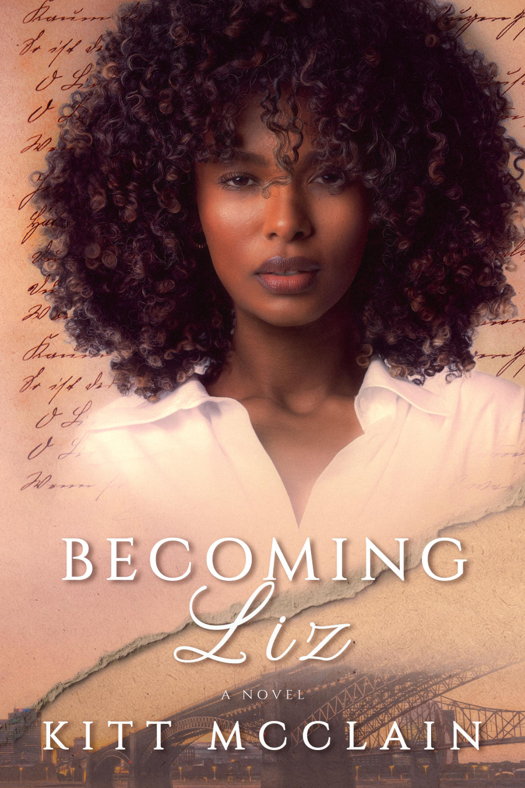
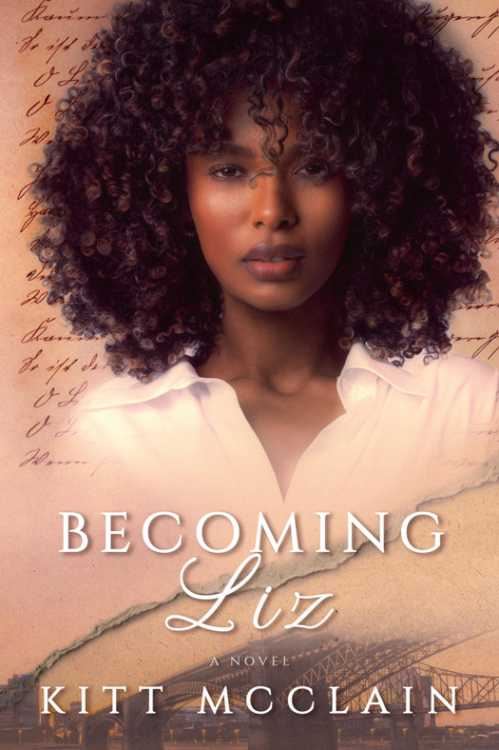
Hello, I would like to submit my novel, Becoming Liz, for AALBC book review consideration. Author: Kitt McClain Title: Becoming Liz ISBN-13: Paperback: KDP/am*zon — ISBN 9798995239505 Hardcover: IngramSpark distribution — ISBN 9798995239529 Ebook: Draft2Digital wide distribution — ISBN 9798995239512 Publication date: May 10, 2026 Genre: Upmarket women’s fiction Themes: Black family, sisterhood, healing, and Black joy Available formats: paperback, hardcover, and ebook Description: Elizabeth Rutland doesn’t fall apart. She plans and adjusts, holding the pieces together before anyone sees the cracks. But when a public betrayal dismantles everything she thought was secure, the control she relies on fails. The life she had built fractures. Becoming Liz traces one woman’s unraveling and the slow work of becoming whole. As Elizabeth confronts the truth, she must decide who she is without perfection, and whether she’s brave enough to choose herself. A complimentary review copy is available upon request. Website: https://kittmcclainofficial.com Thank you for your consideration.
 1 point
 -
Thank you, Troy. I really appreciate you taking the time to look at the book and the website. I believed the title was fully available through Ingram, so I’m glad you flagged that—I’ll check the distribution status today. I’ve also been considering offering signed copies directly through my website, and I’ll work on adding a few endorsements as they come in. Thanks again for the feedback and consideration.1 point
-
Yeah I heard about this incident. Actually it was the reaction from it that I heard more about and some people I know were telling me that some Arabs had got into it with the Black community in some neighborhood but honestly, I didn't know what set it off until I read THIS post. A local Black activist group went to the neighborhood and confronted the Arabs over the incident: I know about Warrendale It's been a hotbed of racism for a LONG time It's right on the border of Detroit and was one of the last hold-outs for White people who wanted to leave the city but didn't have enough money...lol. I didn't know Arabs took it over though. I had an Uncle who used to live in Warrendale and it was something to drive down the street to his house and see confederate flags and shit flying on the porches. He was one of the few Black people on his street and they eventually burned HIS house down and ran him out.1 point
-
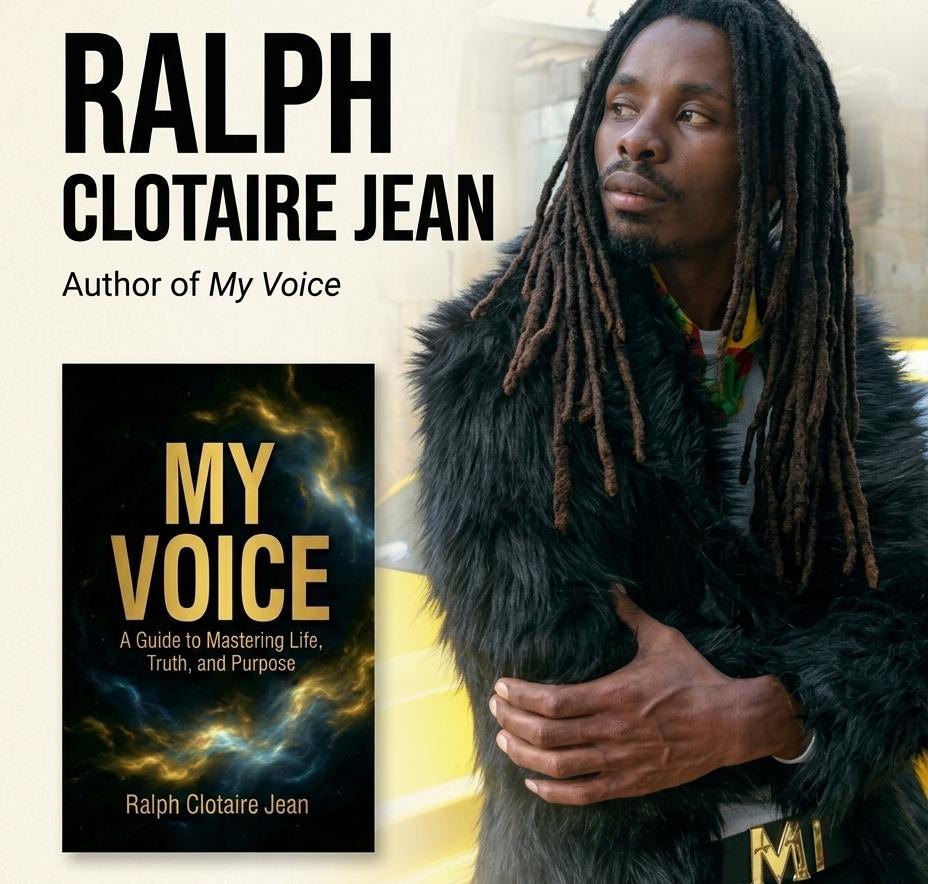
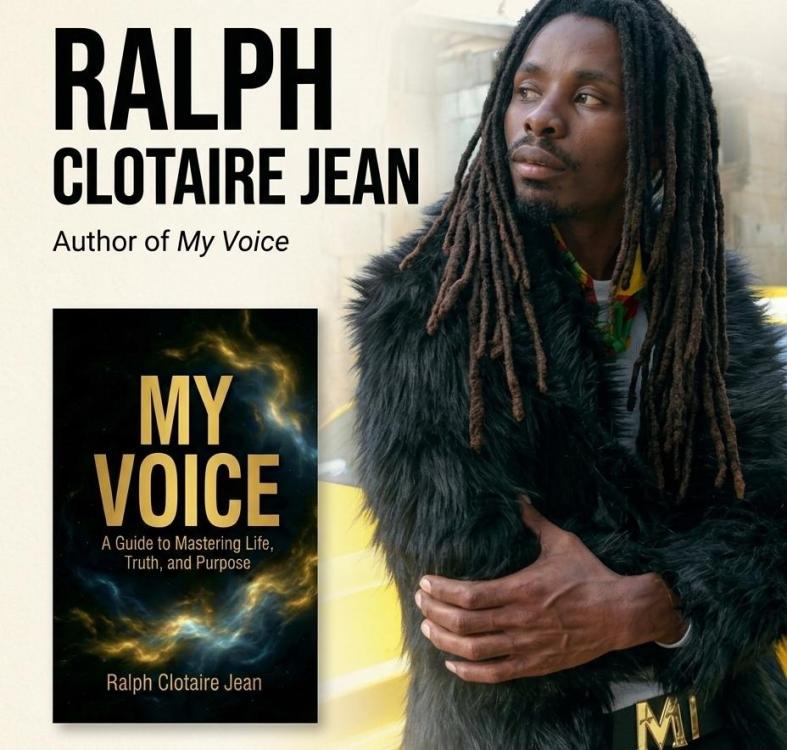
Hello, I’m Ralph Clotaire Jean, a Black author born in Haiti. My book, My Voice: A Guide to Mastering Life, Truth, and Purpose, explores discipline, self-awareness, personal responsibility, and purpose. One line from the book is, “Low standards destroy high potential.” What interests me is whether an idea like that helps someone examine a habit or make a different choice. Recognizing yourself in a passage can be a start. What happens afterward matters, too. I also published a Haitian Creole edition so readers who speak the language could have access to the same ideas. Kirkus Reviews wrote, “Jean inspires readers to take charge of their lives in this empowering guide.” I’d appreciate consideration for an honest, independent AALBC book review. Publisher: Supreme Legacy Press Publication date: April 14, 2026 Paperback ISBN: 9798218879747 Website: ralphclotairejean.com Contact: contact@ralphclotairejean.com
 1 point
 -
Hi Ralph, congrats on your book! You got a Kirkus review; oh, you should definitely invest in an AALBC.com Comissioned Book Review.1 point
-
1 point
-
As she should have especially if he was sleeping on that sidewalk or asking for change so he could get something to drink, er, eat.🤣😎1 point
-
1 pointMay our dear brother rest in peace and power. I still hear that smooth "you are my ladaaaaay". For a little while there was a bit of a battle on Detroit radio stations between Freddie and Luther....lol. To me, Freddie was more masculine.1 point
-
I have always understood your thoughts regarding the USA & the reason/source of its power. You don't have to keep trying to explain it to me.😉 You're right. China is perfectly positioned as a super power without the necessity &/or stress of being the world police & every other type of baggage that comes with being the #1 super power. While I point out that the USA is the #1 super power on the planet, I would never argue that it makes my country the greatest. The USA has its warts too.😎1 point
-
1 pointWell, you are clearly judging them. "...a whole lotta people are stupid as f8ck" is the tell 😆 Seriously, unless something changes dystopia is in the future for most of the planet. We will be trust into a dark age. A few thousands years from now someone will dig up a cell phone and wonder how this was possible so long ago -- surmising it must have been aliens.1 point
-
1 pointWell it probably, at least partially, true but again it is a leap to ascribe "fear" and "desire," human emotions, as part of the motivation. Indeed we can say with certainty how emotions emerge in us. Avoidance of destruction does not have be motivated by an emotion. it could be another goal. The choice between destruction and avoiding destruction could be made just as easily one way of the other by an AI. Again, assuming an AI is afraid, it the wrong way to look at it. Some human will be copulating with it -- someone is probably doing that right now somewhere...1 point
-
1 pointRight. There has always been a whole lotta people in the world who do not believe in such things i.e. religion & spirituality. For those people, their existence is about having paradise on earth. The same people have zero concern about what happens on this planet when they're dead & gone.😎1 point
-
1 point@Delano...looking forward to your thoughts on AI & consciousness. AI has been the subject of a few threads. Would be nice to read another perepective on it. AI has become mainstream news. Folks really perked up when it was reported AI could wipe out humans in a decade or less. That got some attention. Of course, the tech bros have been nonchalant about it. Their objective is to make a sh8t ton of money. D8mn the torpedoes.😁 I find it slightly amusing that some people are laser focused on making money even if it kills them & their loved ones. "What profit a man to gain the world & lose his soul"...doesn't apply to people who are enriching themselves regardless of collateral damage i.e. who lives or dies.😎1 point
-
Well, I get what you guys are saying. You've made some semi interesting points. I've had my say, and here we are back to square one. Last time I checked, this provocative thread registered 2.2k "click ons", 30 of which were responses from regulars including stream of consciousness dialogues between ProfD and Pioneer, showcasing the compelling personalities Pioneer claims should inspire reactions from discriminating women. 🤭 Over a thousand peeks and still no female input from anybody but me. 😬 Curious. Maybe lady lurkers arent actually indifferent. Could it be they're intimidated??? 😲 Does anybody care? Huh? Huh?? 😳 Back to the female-free bull sessions. Next topic: Mixed-race men and the size of their penises. 🙂1 point
-
https://www.freep.com/story/news/local/michigan/detroit/2026/09/29/woman-charged-by-prosecutor-in-detroit-car-crash-that-sparked-tensions/92010524007/?gnt-cfr=1&gca-cat=p&gca-uir=true&gca-epti=z113018p118050l000850c118050e1178xxv113018d--32--b--32--&gca-ft=136&gca-ds=sophi This should not be happening to Black folks anywhere. According to the story, an Arab woman hits the car of Black woman. Arab woman at fault. Accident happened in a heavily Arab-populated area. A mob of Arab dudes surrounded the Black woman's car yelling slurs & threatening her. The initial handling of this situation was not in the black woman's favor. The Sand people had her shook. Black folks cannot continue allowing people to disrespect our own especially the young people & elders. Its imperative that Black folks become proficient in self-defense & weapons training. There's no reason for Black folks to start wars but we d8mn sure betrer know how to fight & finish one with whoever comes against us. No more Black folks getting beat up &/or killed by the hands of white supremacists & their trustees. Now I'm wondering if this was a staged attack to get at thw lil dude running for US senate Mohamed El-Sayed.😎0 points
-
0 pointsFreddie Jackson, fixture of 1980s R&B, dies at 69 August Brown/Los Angeles Times/TNS Oct 9, 2026 When I lived in Harlem I would see Freddie Jackson from time to time. Once, in a now defunct men's salon in my old neighborhood in Harlem. Freddie was in the chair next to me. I asked my barber, a sister, what was he having done to his hair? She he was having it dyed and asked if I wanted to try. I said, "Sure, why not?" Interestingly, not a single person noticed. Two years later I started shaving it all off. May he rest in peace.0 points