

Leaderboard
-
Mel Hopkins
Members3Points2,139Posts -
Troy
Administrators3Points14,577Posts -

Delano
Members1Points6,003Posts -

Pioneer1
Members1Points13,202Posts




Popular Content
Showing content with the highest reputation on 10/03/2020 in all areas
-
@Wendy Jones I recommend aalbc.com member, writer and web designer @zaji at the Creative Ankh https://creativeankh.com/2 points
-
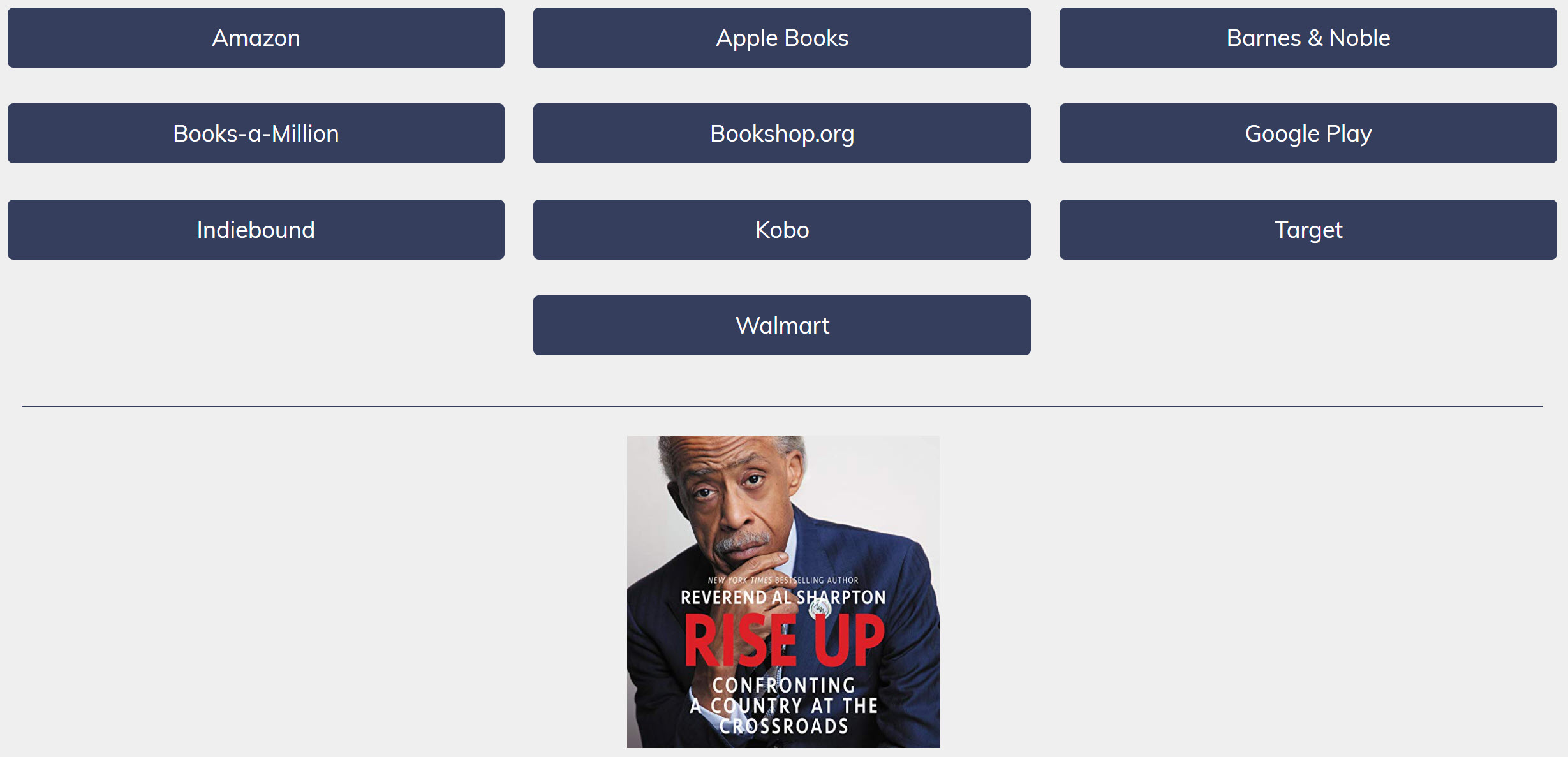
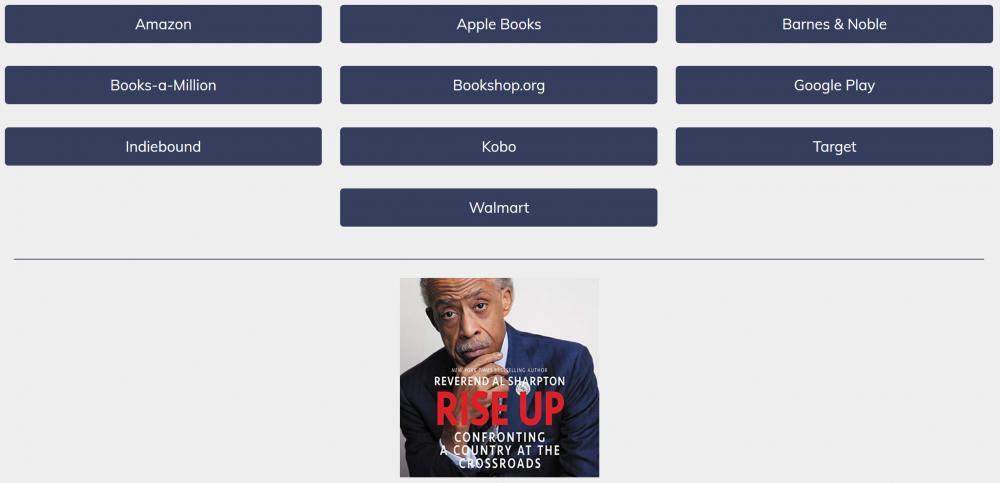
If you think certain online bookstore is a better alternative to another massive e-commerce site, think again. The following commentary is in reaction to the Black Bookstore Day conversation. We could really use a journalist to investigate this, but it highlights a common challenge: lacking platforms with the resources to conduct this type of research and explain why it matters to readers. It would be fascinating to know how much a certain online platform has earned from people who wish to support Black bookstores, on the heals of George Floyd's murder, but unintentionally ended up supporting the other business instead. For instance, mainstream media has given significant attention to a café that also sells books. This café doesn’t operate an e-commerce site but instead directs readers to another platform for book purchases (see graphic below). This isn’t a critique of the café—they’re free to run their business however they choose. But it's clear that, for anyone genuinely aiming to support a Black-owned bookstore, businesses without online book sales may not be the best primary choice. Some brick-and-mortar bookstores have also struggled to adapt to e-commerce, especially during the pandemic, which forced many stores to rely solely on online sales as their physical locations closed. Another bookstore gaining considerable media attention also directs readers to this third-party platform for online book purchases. Ultimatley this platform functions as the online bookstore for many Black-owned bookstores. Since the rise of interest in supporting Black-owned businesses, Black-owned bookstores have received more support. Unfortunately, this platform has often been the one to profit, rather than the Black-owned stores themselves -- controlling who wins and who loses. As a result, the media has increased their focus on stores without dedicated e-commerce platforms, and this third-party platform often manages online sales for these stores. There is a strong correlation between a store's media attention and this platform managing its online bookstore. Many large publishers link to this third-party site as a place to buy books, and they still act as if they’re supporting Black-owned stores. Here’s an example of how one major publisher offers book-buying options: Here is another... This was particularly notable for a book on civil rights, as it felt ironic given the book’s subject. I reached out to someone to encourage publishers to link to Black-owned stores. Although some publishers are connected with our platform, it seems they’re not fully aware of the impact of their current practices. A supporter mentioned they wouldn’t have known about a recent book by a prominent activist if it hadn’t been for our platform. How much longer would it have taken them to find out? It’s in publishers’ best interests to support Black-owned sites. As someone who avoids large e-commerce sites, I’m glad to see attention going to other platforms. But, as I once was with a different platform, I won’t be fooled by a similar setup that siphons revenue and business from the Black book ecosystem. This platform gained prominence quickly, partly due to an industry association. It has positioned itself as a more ethical alternative to larger e-commerce sites. They pay affiliates a 10% commission, which is slightly higher than what some e-commerce giants offer (currently about 4%). The platform also matches this 10% commission for independent bookstores that are members of the association. Most association-member bookstores that benefit from this revenue share are not Black-owned, and many already have their own well-established websites. For these stores, the revenue share is simply an added benefit. When customers buy books online from Black-owned stores that use this third-party platform, 10% of the sales often go to other independent bookstores, some of which may be white-owned and haven’t done anything to earn that revenue. If readers who want to support Black-owned stores knew this, would they continue to support sites using this platform? Here’s the kicker… AALBC is a member of the same industry association. However, this third-party platform has refused to include us in its revenue share program. The reasons seem clear: they aim to dominate online book sales and exploit the public’s desire to support Black-owned stores in the process. They seemingly view platforms like ours as competition to eliminate. The industry association used to support bookstore owners in running their own websites. Now, however, all of their effort supports this third-party platform. I’ve expressed dissatisfaction with the association on this issue but to no avail. I even considered running for their board to try to influence how the association supports web-based booksellers. Ultimately, I decided against it, as my time is limited, and I wasn’t confident about the impact I could have. While the association means well, there’s still much work to do, particularly regarding support for Black-owned independent bookstores. It is hard out here! LOL! NOTE 11/14/2024: This article was written to remove the names of specific businesses and industry organizations.


 1 point
 -
I hear you @daniellegfny, but I actually agree more with @Pioneer1 last statement. Many people (even white ones) are struggling to meet their most basic needs. Half of the country's family income is less than 65k a year -- the entire family. Many make much less. As @Pioneer1 suggested the messages is clearly not designed for the masses. It is not clear to me what purpose of the entire program would be. My quess usbthat they are selling something. It is rare for indie children's book author to make a living from their books. You will more likely need to live on your driving income and bank your book income. If you make any profit selling books consider yourself a success. If you make enough to live on that would be fantastic.1 point
-
@Troy, Is there room for a marketplace on aalbc? I follow @zaji on WordPress.com too. And I usually read her post in my WP reader. I hadn't seen any new posts, so I went to her website. Do you know this sister designs the most fabulous book covers and websites and...Well, long story short zaji is talented in the media arts and operates the Creative Ankh. So, I got to thinking. Is there a way to populate a page on aalbc.com that will would pull content from bios and if any member posted their business offerings, it would generate a brief listing? Or maybe, members could pay for a listing if their business is in a book publishing vertical market? Just a thought. 🙃1 point
-
This shows you the amount of "disconnection" and inconsideration that exists in the AfroAmerican community today. We KNOW that not all AfroAmericans are poor....but most are. Most are struggling. But instead telling people who are broke, unemployed, and struggling HOW to get together and start a business or service to GENERATE money that can be saved and invest LATER ON DOWN THE LINE AFTER BASIC NEEDS HAVE BEEN MET- He wants to lecture people about "buying a house" and living off your interest capital gains instead of dipping into your principle. Shit that only concerns MILLIONAIRES who earn enough interest to be able to comfortably do so anyway. That's not a conversation to have with poor people. There's a PANDEMIC going on. Millions are unemployed, being evicted, having their homes foreclosed- ....and these selfish negroes are sitting up there talking like it's 1998.1 point
-
1 pointAll of the commentators on this page live in very different Americas. So the America that you want to see may seem like chaos to Pioneer and the revesrse may also be true. And as long as their is division little will change.1 point
-
Thanks for asking for clarification: Here is the deal. I set up an affiliate store with Bookshop.org when they first launched last year. I figured I could use them to generate revenue when supplying buy links for books that I do not carry in my online store. When I send readers to https://bookshop.org/shop/aalbc I get 10% of any sales generated. Bookshop, in partnership with the ABA, shares an additional 10% with indie-booksellers, who are also ABA members. This is the revenue share that AALBC, an ABA member, is not allowed to receive. Of course Bookshop retains the remaining revenue. So when a readers buys a book from a Bookshop affiliate -- even a affiliate operated by a Black-owned business, like AALBC -- most of the profit goes to white businesses. Does this make sense? A web based booksellers can make anywhere between 65% and 40% on the sale of a book. As the ABA fosters a dependence of Black booksellers (usually the ones with the weaker ecommerce sites) on Bookshop.org they are basically taking 55% to 30% of that potential revenue. Bookshop has another program where Bookshop was they pay 30% of cover price to stores that handover they online sales to bookshop. Still the bookstore is giving up 25% to 10% of their revenue. While strengthening Bookshop and weakening the potential off all other web based booksellers. This is the main source of by gripe -- it is Amazon all over again. Popular booksellers like Powell's books in Oregon, does not use Bookshop.org -- they have a robust ecommerce website. Powell's has also finally stopped using Amazon's marketplace, which has completed perverted rationale pricing for the online sales of books. Powell's still gets the revenue share from Bookshop.org -- even though they do not use bookshop.1 point