

Leaderboard
-
Chevdove
Members2Points2,875Posts -
Pioneer1
Members2Points13,762Posts -
Troy
Administrators1Points14,765Posts -
harry brown
Members1Points1,386Posts


Popular Content
Showing content with the highest reputation on 10/28/2024 in all areas
-
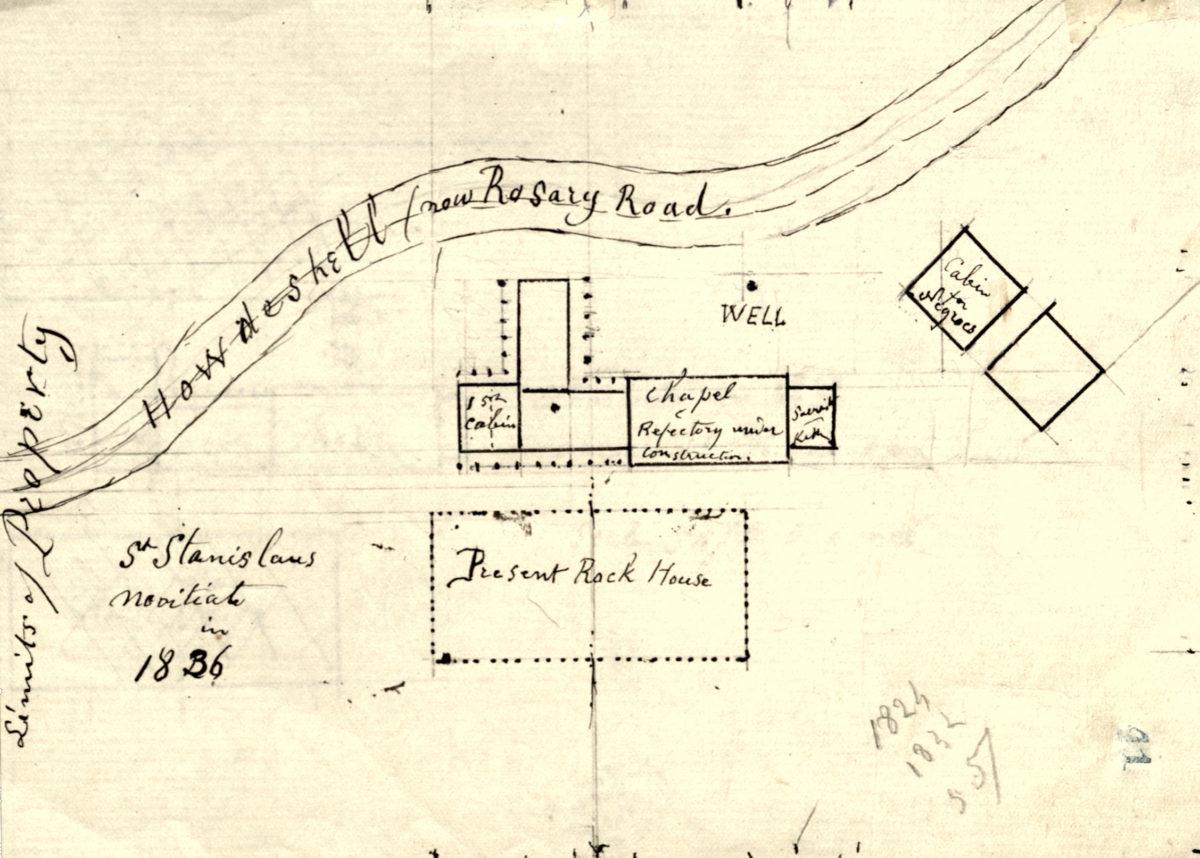
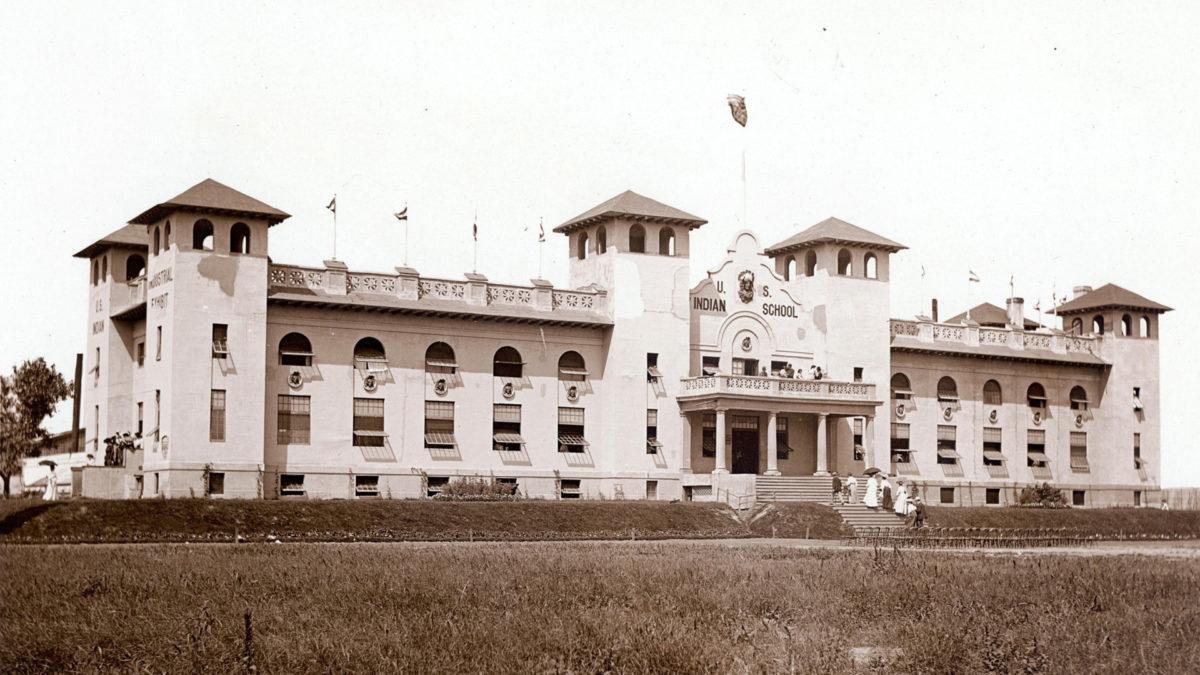
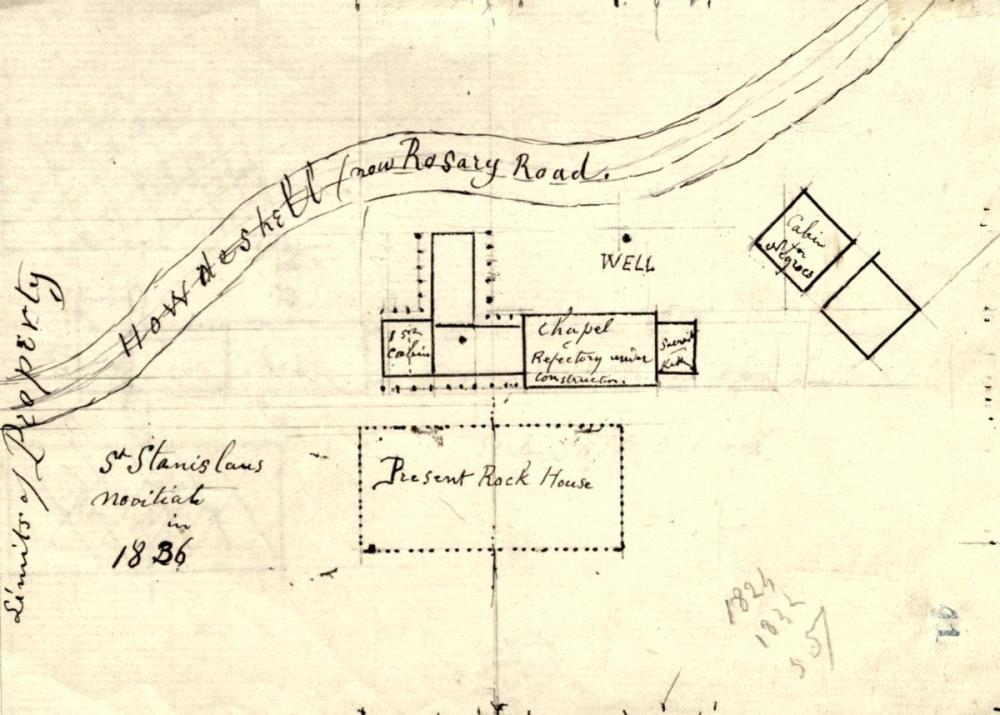
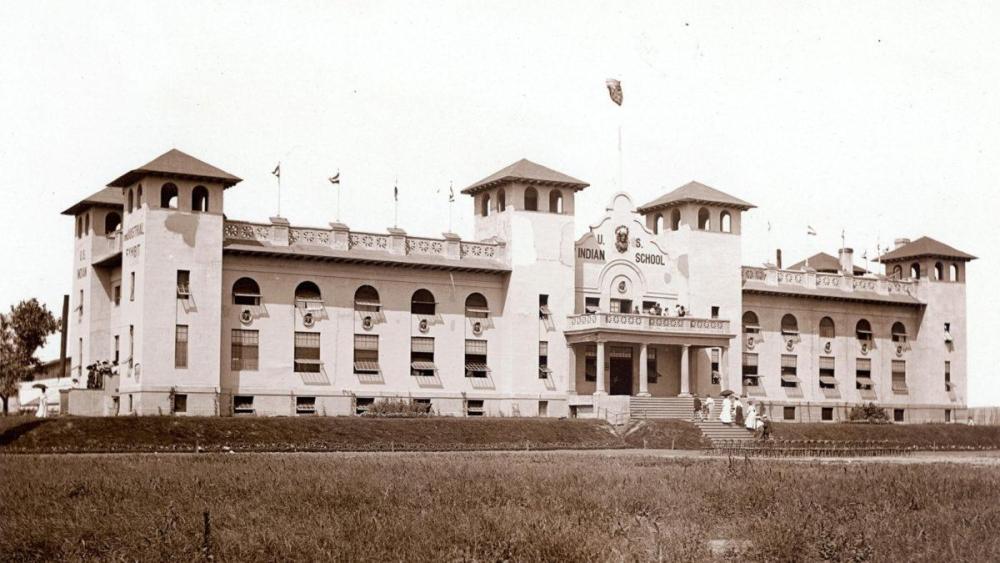
I will share information concerning the first peoples in the usa and biden's actions, but I must first speak. Apologies are useless. Apologies can not repair any damage in the past. I have never liked or I have always opposed apologies. Clinton couldn't undo the damage from whites through acts of enslavement to the Black Descended of Enslaved populace in the usa or the european colonies that preceded it and Biden can't undo the damage from whites through acts of genocide to the First Human populace in the usa or the european colonies that preceded it. The sadness is that, a large percentage, not all, First Peoples in the usa or Black DOSers in the usa in their zeal to embrace the usa so as not to be stateless in truth plus live nonviolent lives to support the most convenient relationship to favor the usa, present an advertisable group that provides an illusion that the apologies work. They don't and all I can promise is the impotency of apologies will come back to haunt many , as all lies at their heart eventually leave places for the light of truth to strike. ARTICLES WATCH: Biden makes historic apology for ‘sin’ of U.S. role in deadly Indigenous boarding schools By — Graham Lee Brewer, Associated Press NORMAN, Okla. (AP) — President Joe Biden formally apologized on Friday for the country’s role in the Indian boarding school system, which devastated the lives of generations of Indigenous children and their ancestors. “I would never have guessed in a million years that something like this would happen,” said Secretary of Interior Deb Haaland, a member of the Pueblo of Laguna. “It’s a big deal to me. I’m sure it will be a big deal to all of Indian Country.” Shortly after becoming the first Native American to lead the Interior, Haaland launched an investigation into the boarding school system, which found that at least 18,000 children, some as young as 4, were taken from their parents and forced to attend schools that sought to assimilate them, in an effort to dispossess their tribal nations of land. It also documented nearly 1,000 deaths and 74 gravesites associated with the more than 500 schools. No president has ever formally apologized for the forced removal of Native American, Alaska Native, and Native Hawaiian children — an element of genocide as defined by the United Nations — or any other aspect of the U.S. government’s decimation of Indigenous peoples. During the second phase of its investigation, the Interior conducted listening sessions and gathered the testimony of survivors. One of the recommendations of the final report was an acknowledgement of and apology for the boarding school era. Haaland said she took that to Biden, who agreed that it was necessary. Haaland, whose grandparents were forced to attend a boarding school, said she was honored to play a role, along with her staff, in helping make the apology a reality. Haaland will join Biden during his first diplomatic visit to a tribal nation as president on Friday as he delivers his speech. “It will be one of the high points of my entire life,” she said. It’s unclear what, if any, action will follow the apology. The Department of Interior is still working with tribal nations to repatriate the remains of children on federal lands, and many tribes are still at odds with the U.S. Army Corps of Engineers, which has refused to follow the federal law regulating the return of Native American remains when it comes to those still buried at Carlisle Indian School in Pennsylvania. “President Biden’s apology is a profound moment for Native people across this country,” Cherokee Nation Principal Chief Chuck Hoskin Jr. said in a statement to The Associated Press. “Our children were made to live in a world that erased their identities, their culture and upended their spoken language,” Hoskin said in his statement. “Oklahoma was home to 87 boarding schools in which thousands of our Cherokee children attended. Still today, nearly every Cherokee Nation citizen somehow feels the impact.” Friday’s apology could lead to further progress for tribal nations still pushing for continued action from the federal government, because it’s an acknowledgement of past wrongs left unrectified, something “known and buried,” said Melissa Nobles, Chancellor of MIT and author of “The Politics of Official Apologies.” “These things have value because it validates the experiences of the survivors and acknowledges they’ve been seen and we heard you, and also there’s a lot of historical evidence to suggest this happened,” Nobles said. In Canada, a country with a similar history of subjugating Indigenous peoples and forcing their children into boarding schools for assimilation, an apology from Prime Minister Justin Trudeau in 2017 was followed by the establishment of a truth and reconciliation process and the injection of billions of dollars into First Nations to deal with the devastation left by the government’s policies. No such commission exists in the U.S. A bill to establish a truth and reconciliation process was introduced last year by Sen. Elizabeth Warren, but it remains in the Senate. Pope Francis issued a historic apology in 2022 for the Catholic Church’s cooperation with Canada’s “catastrophic” policy of Indigenous residential schools, saying the forced assimilation of Native people into Christian society destroyed their cultures, severed families and marginalized generations. “I am deeply sorry,” Francis said to school survivors and Indigenous community members gathered in Alberta. He called the school policy a “disastrous error” that was incompatible with the Gospel. “I humbly beg forgiveness for the evil committed by so many Christians against the Indigenous peoples,” Francis said. In 1993, President Bill Clinton signed a law apologizing to Native Hawaiians for the overthrow of the Hawaiian monarchy a century prior. In 2008, Australian Prime Minister Kevin Rudd formally apologized to Aboriginal and Torres Strait Islander peoples for his government’s past policies of assimilation, including the forced removal of children. New Zealand Prime Minister Jacinda Ardern made a similar concession in 2022. Hoskin said he is grateful to both Biden and Haaland for leading the effort to reckon with the country’s role in a dark chapter for Indigenous peoples, but he emphasized that the apology is just “an important step, which must be followed by continued action.” https://www.pbs.org/newshour/politics/watch-live-biden-to-make-historic-apology-for-u-s-role-in-deadly-indigenous-boarding-schools Researchers unearth the painful history of a Native boarding school in Missouri By — Gabrielle Hays ST. LOUIS – In the last two years, Canada and several U.S. states have begun to recognize their histories with Native American boarding schools, institutions that set out to “assimilate” Native American children into westernized U.S. ways of life by stripping them of Indigenous tradition and culture. What would start with a small number of schools following the Indian Civilization Fund Act in 1819 would eventually grow to more than 350 “government-funded, and often church-run” schools across the United States in the 19th and 20th centuries, according to the National Native American Boarding School Healing Coalition. But a key part of reconciling with the past is better understanding what happened in those schools, who survived and who didn’t, and documenting stories in a key period of the long history of trauma from governments and religious institutions on Native people — information that can be in some cases sparse and hard to find. As legislation that would create a federal commission to explore the country’s history with boarding schools has stalled, efforts from others, such as the National Native American Boarding School Healing Coalition, have continued. The Society of Jesus, widely known as the Jesuits , which ran a number of these schools, as well as local researchers are trying to provide a more complete picture of what life was like, before, during and after these schools existed. In St. Louis, that means compiling an archive of documents and research that delve into the Midwest’s chapter of a long and painful yet important American story. It is a history that in many ways started with promises of better education but instead led to hours of forced labor and beatings documented by Jesuits themselves. The local boarding school, St. Regis Seminary, opened May 11, 1824, in Florissant, Missouri. At its start, it housed two boys from the Sauk Tribe who were later joined by three from the Ioway Tribe. It was all a part of Bishop Louis Valentine William DuBourg’s vision to “familiarize” his young missionaries with “their manners and languages.” Over time, the school would take in 30 boys in all. The PBS NewsHour reviewed letters and available historical records, and interviewed experts, researchers and several Jesuits to piece together what happened at St. Regis. However, researchers say there is far more to learn. Additional details are likely to emerge as they go deeper into other archives found across the country or Jesuit correspondence kept in Rome. In January, the Society of Jesus hired its own researcher based in St. Louis to look specifically at its history with boarding schools and to uncover details about their existence. “Unquestionable amounts of children never had justice,” said Kent Blansett, associate professor of Indigenous studies and history at the University of Kansas — and for that there is a cost. These children could have gone on to be writers, Einsteins, leaders in their community, he said. There is also the trauma and legacy of those who survived. Combined, this leads to a “real toll that doesn’t exist in just one generation,” Blansett said. This is all the more reason to understand the history of boarding schools, said Kim Cary Warren, associate professor of history and associate dean of diversity, equity and inclusion at the University of Kansas — not only for what happened when they existed, but the consequences that persisted long after. “It’s important for us to know our historical past, no matter how nuanced, no matter how diverse, no matter how tragic at times, no matter how triumphal,” Warren said. Uncovering history In 1819, years before St. Regis erected its boarding school, Congress enacted the Civilization Fund Act. The law stated the president could “instruct” Native people “in every case where he shall judge improvement in the habits and condition of such Indians practicable” to “employ capable persons of good moral character.” It also called for “teaching their children in reading, writing, and arithmetic.” But as the Native American Rights Fund noted in its 2013 legal review, “the thrust of “civilization” of Native Americans was to strip them of their traditions and customs and teach them the ways of the majority culture in missionary schools.” [ nlr38-2.pdf or https://1drv.ms/b/c/ea9004809c2729bb/EWtHEq58SOtGgHHKdAudb5EBv7-LVkODDlPXPONB0JLeFw?e=pzc9pG ] Native American boarding schools existed in the St. Louis area as early as 1824, when the Jesuits requested government funds to “civilize” Native children at a seminary minutes outside the city. The original building, known as St. Regis Seminary, no longer exists on the same plot of land in the city of Florissant. In that spot today stands St. Stanislaus Seminary, what was once a foundational foothold for Jesuit work between the Allegheny and Rocky Mountains. The earliest surviving structure of the seminary, known as the Old Rock Building, is a limestone building built in 1840 by Black people enslaved by the Jesuits, as well as some of the Jesuit brothers. The boarding school opened a year after the seminary was founded in 1823. According to existing documents, the St. Regis Seminary lasted about seven years. But the small trove of available archival materials contains little detail on what happened to the dozens of Native boys at the short-lived school, underscoring how the stories of the Native children at these boarding schools in Missouri in the early half of the 19th century have been lost or largely untold. The plan for St. Regis began with one Catholic bishop’s reasoning that the “spiritual needs of the tribes had been neglected,” as described in a 1971 nomination for Old Rock and two other St. Stanislaus buildings to be added to the National Register of Historic Places. The Bishop Louis Valentine William DuBourg of Louisiana, the founder of St. Louis University, an institution with deep Jesuit history, made an in-person appeal to then-Secretary of War John C. Calhoun, a “staunch defender” of slavery. Initially, DuBourg wanted a few missionaries to settle among Native tribes in the area. Later, he expanded his request to the government, asking for funding to establish an “Indian School.” In a letter to his brother, DuBourg said he wanted the seminary to obtain a half-dozen Native children and prepare them “to become guides, interpreters and helpers to the missionaries.” Calhoun replied that President James Monroe was on board, and the U.S. government would send $800 annually – around $20,000 in today’s dollars – once the school was up and running with a “suitable number” of students. Across the country, about $10,000 was allocated annually through the 1819 Civilization Fund Act, largely to mission schools, “to convert Indians from hunters to agriculturalists,” as documented in a 2016 congressional report. However, St. Regis did not always receive the full amount from that fund each year, according to the 1919 Catholic Historical Review, because the school did not keep a steady number of boys enrolled. Researchers have found limited details on what life was like for the Native boys at St. Regis. However, as more people dive into the topic, more letters and documents are uncovered. Writings dated from 1867 from Peter De Meyer, a Jesuit, noted that the boys were taught to pray in English and worked in the cornfields. There is also a focus on assimilation tactics, from the clothes the boys were made to wear and instructions on how to eat. In at least one instance, parents of the boys visited the school. Warren, who is also the author of “The Quest for Citizenship: African American and Native American Education in Kansas,”said these schools were started with what the Society of Jesus called a “benevolent mission in mind.” “Their idea would have been: We want to help these children, we want to take them out of their Native American cultures and assimilate them and make them believe in Protestant Christianity, make them cut their hair, make them adopt white Christian names, adopt work styles that were considered appropriate and dominant for the time,” she said. But underneath all of that, Warren emphasized, “was a really racialized agenda to erase Native culture and to try to make Native Americans and their culture and their identities disappear over several generations.” Research conducted and compiled by Kelly Schmidt, postdoctoral research associate at Washington University in St. Louis, shows how unhappy the children were and how violent their conditions could be. Schmidt, who included some of this research in her dissertation, found an 1825 letter from Rev. Charles F. Van Quickenborne, who was in charge at the seminary, which noted that the Native American boys ”all wept when the hoe was put into their hands for the first time.” Though the Jesuits often claimed the boys would be studying, Schmidt said documents indicate otherwise; the boys’ work increasingly became devoted to physical work. “Records show that they were frequently being made to do manual labor without compensation, being treated as enslaved people,” she said. Letters collected in her research show the boys were not only forced into labor, working several hours a day, but also experienced violent, sometimes bloody beatings. In one 1832 correspondence written to another Jesuit by Brother John O’Connor, who worked at the school, O’Connor described seeing Jesuit priests “tie the hands of the Indian scholars like so many felons and take them to be cruelly scourged on the naked back in the open air under his own eyes.” He adds that their hands “were stretched in the form of a cross fastened to a tree and a post.” Two years earlier, Peter DeSmet, another Catholic priest and Jesuit, recounted that 12 of the boys left the school with “the stripes of cowhide on their back.” Several of them ran away because of the “horror” and “displeasure” of watching a “Priest of the Society beating to blood their companions,” the letter said. By 1825, Van Quickenborne had his sights set on opening another boarding school in Kansas. At the direction of General William Clark, most known for his expedition with Meriwether Lewis, he laid out a plan for the school, asking the U.S. government for support. Quickenborne’s plan included the suggestion to take children, aged 8 to 12 years, to “habituate them more easily to the customs and industry of civil life, and impress more deeply on their hearts the principles of religion.” He also laid out how the children should eventually be married and work with the missionaries to gain the trust of the tribes to which they returned. He estimated the total cost of carrying out this plan would amount to $2,500. His proposal never got any aid from the U.S. government. The last Native boy left St. Regis Seminary on June 30, 1831 — seven years after opening. Little is known about where the children came from and what happened to them after they left the school. What is known is that the idea of such schools did not end when St. Regis closed. The 1904 St. Louis World’s Fair housed a “Model Indian School,” featuring “150 students from Chilocco, Haskell, Genoa, Fort Shaw and Sacaton Indian Schools” across the country, according to a Department of Anthropology report in the Missouri Historical Society’s Louisiana Purchase Company Records. The exhibit included booths with “representative Indians from various tribes at work at their native industries.” It describes groups of students in different grades and specifically mentions that the kindergarten class was “one of the most popular exhibits,” though the class had to be sent home in August “on account of sickness.” In the list of students from that group, all from the Pima tribe, it notes one child, Mary Thomas, died. These ideas stretch “back to the time of the ‘discovery of the Americas,’ as it is called. We were already here,” said Blansett, associate professor of Indigenous studies and history at the University of Kansas. Blansett, a descendant of the Cherokee, Creek, Choctaw, Shawnee, and Potawatomi people, founded and serves as the executive director of the American Indian Digital History Project, an online cache for researchers to preserve rare Indigenous archives. “For European peoples at that time, there was no mention of us in biblical terms, there was no mention of these lands,” Blansett said. The existence of Native people, then, “throws a wrench into the religion philosophy, the libraries of cultures that have been ingrained with the church, especially throughout Europe.” As a result, Blansett said, Europeans decided the best way to attack Native American history, culture and livelihood was to “attack the next generation. Taking away our humanity, taking away our soul,” he added. How the Jesuits are addressing the past Over the last few years, the Jesuit Conference of Canada and the United States, headquartered in Washington, D.C., has taken some steps toward addressing this history. In a Jan. 4 email sent from Father Ted Penton, SJ, a Jesuit priest and the secretary of the conference’s office of justice and ecology, he outlined some of that work, including hiring a researcher to work at the Jesuit Archives in St. Louis to compile “a complete list of these schools along with brief summaries of key data, along with notes that will help direct future researchers to relevant sources we hold.” He also pointed to a statement the conference made in August 2021 after hundreds of unidentified graves of Indigenous children were found in Canada. “We grieve deeply the loss of human life and culture that took place at such schools, both in Canada and the United States, and we acknowledge that the Society of Jesus participated in that history,” the statement read. The statement goes on to mention how the “structures and practices which forced Indigenous children to be separated from their families and prohibited these children from speaking their language and practicing their culture” were “fundamental” to their function and that the Society of Jesus regrets its participation “in the separation of families and the suppression of Native languages, cultures and sacred ways of life.” The NewsHour also made several requests to St. Louis University for comment and was told St. Louis University referred inquiries about the Jesuits’ boarding schools to the Jesuit Conference of Canada and the United States, but noted that its bicentennial book, “Always at the Frontier,” which was published in 2018, includes references to St. Regis. The names of the religious leaders who facilitated the opening remain displayed on buildings at St. Louis University and private Catholic high schools in the region. The name of DuBourg, for instance, who signed the early letters requesting funds for St. Regis, lives on — through the university’s website, which notes his role as its founder but not in the boarding school, as well as one of its buildings. ‘They’re not nameless. They’re people’ Though the names of the 30 boys at St. Regis may never be known, for Blansett, whether it was a school of 30 or 300, this chapter of American history cannot go untold. As an educator and as a father, Blansett said he works to put what happened and what continues to happen to Native American people at the forefront of the minds of his students and his children. “It gets them to understand that they need to make a stand, that they need to speak up,” he said. “They can’t accept these systems as status quo or as norm or as a part of a true democracy.” Penton, of the Jesuit Conference of Canada and the United States, said in an email the body has endorsed The Truth and Healing Commission on Indian Boarding School Policies in the United States Act, which seeks to establish a federal commission that will examine the United State’s history of implementing Indian Boarding School Policy. U.S. Secretary of the Interior Deb Haaland and Senator Elizabeth Warren, D-Mass., introduced the bill in 2020. It was then reintroduced in September 2021 with bipartisan support and read before the Committee on Indian Affairs, however there has been no movement on the bill since. In June 2021, Haaland also launched the Federal Indian Boarding School Initiative, which the department called “a comprehensive review of the troubled legacy of federal boarding school policies.” “The Interior Department will address the intergenerational impact of Indian boarding schools to shed light on the unspoken traumas of the past, no matter how hard it will be,” Haaland said. The investigation was compiled into a report and submitted to Haaland on April 1 but has not yet been released to the public. Setting up a commission is “a crucial step towards acknowledging and responding to this difficult part of our shared history,” Blansett said. However, for Blansett and Warren, a key part of telling the story of what happened in those boarding schools means also bringing attention to the Native students who survived the abuse from these institutions. After St. Regis had closed its doors, what were their lives like? As Warren uncovered in her research, the history of these schools also included stories of Native children finding their families again and others of students organizing in protest against boarding school officials. It is these stories, she said, that have to be preserved, too. They are not nameless, Warren said, adding that some of the children of government-sanctioned boarding schools had to live on without the aid of parents or allies or even, sometimes, without the aid of someone who spoke their Native language. While details about the Native boys at St. Regis remain scant in the available archives, there is one name: Maximus. In an 1825 letter, Van Quickenborne described some of the boys he had to expel from the school after his mistreatment of them reached a superior. Midway through the letter, he mentions a child called Maximus by name, but with little description. No age, no mannerisms, no greater hints about what happened to him next other than that he was the “son of an Ioway chief” who was now in St. Charles, located a county over from St. Louis County. The rest of the Native boys had names, but were rendered nameless. https://www.pbs.org/newshour/education/uncovering-the-traumatic-history-of-one-native-american-boarding-school-in-the-midwest In 1904, the St. Louis World’s Fair displayed a model Indian boarding school. Construction on the building started on Dec. 2, 1903, and was completed on Jan. 4, 1904. Photo courtesy of Missouri Historical Society Collections Sexual abuse of Native American children at boarding schools exposed in new report May 29, 2024 6:35 PM EDT By — Lisa Desjardins Read the Washington Post's investigation of sexual abuse at Native American boarding schools. https://www.washingtonpost.com/investigations/interactive/2024/sexual-abuse-native-american-boarding-schools/ For 150 years, the United States government sent Native American children to remote boarding schools as part of a systematic effort to seize tribal lands and eradicate culture. Dozens of these schools were run by the Catholic Church or its affiliates. A Washington Post investigation revealed widespread sexual abuse of generations of these children at many institutions. Lisa Desjardins reports. Read the Full Transcript Notice: Transcripts are machine and human generated and lightly edited for accuracy. They may contain errors. Amna Nawaz: For 150 years, the U.S. government sent Native American children to remote so-called boarding schools as part of a systematic effort to seize tribal lands and eradicate Native American culture. Dozens of these boarding schools were run by the Catholic Church or its affiliates. A new Washington Post investigation has revealed widespread sexual abuse of generations of these children at many of those institutions. Lisa Desjardins has the story. And a warning: The story contains sensitive subject material. Lisa Desjardins: Geoff, this report documents the sexual abuse of more than 1,000 children by over 100 priests, sisters and brothers. But experts believe that number is likely a significant undercount. Earlier today, we spoke with Deborah Parker, chief executive of the National Native American Boarding School Healing Coalition. Deborah Parker, National Native American Boarding School Healing Coalition: For us, this is a national crime scene, and our relatives, our Native American relatives, deserve to know the truth. Lisa Desjardins: For more, we're joined by Washington Post reporter Dana Hedgpeth, who was part of the team that reported this story and is a member of the Haliwa-Saponi Tribe of North Carolina. Thank you so much for joining us. Can you help our viewers understand the scope of the abuse that you uncovered? Dana Hedgpeth, The Washington Post: This is a very important topic, and there's been a lot of work already done on this. We hope to move the ball forward and shed new light on it. And what we found in our investigation gave new details about the level of sexual abuse that was done by Catholic priests, sisters and brothers from the 1800s to the 1900s at schools. Most of the abuse occurred in the 1950s and '60s and involved 1,000 children. And experts like Deb Parker and others believe that that is really only the tip of the iceberg, that the abuse was more widespread, deeper than probably we found. But documents are inconsistent and incomplete. So that is what we found in our investigation. Lisa Desjardins: We're talking about Native boys and girls ranging from age from some of the very smallest into teenage years, some generations, multiple generations at the same school by multiple abusers. Deborah Parker also spoke to us about why some of those survivors stayed silent so long. Deborah Parker: Many of these boarding schools' survivors were told that, if they tell anyone, that they'd be hurt, or that God wouldn't love them, or that they would actually go to hell. There's a great fear in telling the story. Lisa Desjardins: This speaks to one of the evils of this kind of abuse. But reporters have talked about — in the national spotlight, we have had a conversation about Catholic abuse of children for decades now. Why do you think it's taken so long to pay attention to what happened in Native land? Dana Hedgpeth: Folks like myself, Native Americans, know these stories, they have been passed down. And families, people know these stories. It is not a new history, unfortunately. It's a painful history that's been recognized. Probably one of the best reasons that this history is coming more to light now in more recent times is twofold. One, in the early 2000s, The Boston Globe did great work of exposing the abuse that was happening there. So that showed people that, the Catholic Church, people could be held accountable. And that was a very much a turning point for Native Americans. These were very young children. They didn't know at the time or understand that they were being abused. And the way abuse happens, unfortunately, it takes so long to process. It's painful. People repress those things. And only as they became adults did they really understand and feel more comfortable with coming forward. Lisa Desjardins: There are so many gut-wrenching stories here that are important to tell. But could one stand out of a person or family that you think viewers should be aware of? Dana Hedgpeth: I would say Clarita Vargas, who went to a school, a Catholic-run school, in Omak, Washington. And Clarita came forward, and she was one of several dozen victims in a large lawsuit that eventually got settled. But what really stands out with Clarita's stories that the lawyers noticed right away is the movie nights, as the lawyers always called it. Clarita went there when she was a young girl. And, sadly, she was lured, like many children. A priest named Father Morse would invite them to his office on Sunday nights for movie night. And if you can imagine being a young child and being lured to see a movie, they didn't have any special things, but being lured with candy canes at Christmastime or chocolate bars or chocolate chip cookies, where the children were then abused. And, sadly, what's so powerful about that story is it wasn't just happening to Clarita. It was happening to the other young girls at that same school. And then, as the lawyers investigated and went to other reservations, talked to other people, they realized that this similar thing, luring children with candy, literally preying on children, these vulnerable kids away from their homes, taken from their families, stripped of their culture. And it was a pattern of abuse that was happening, just not at this school, but at dozens of other schools. Lisa Desjardins: We also spoke to someone else in your story, Jim LaBelle. He's Inupiaq of Alaska. And he was separated from his family, not even given a name, called by a number when he was a child, he told us, sexually abused and beaten. Here's how he described the isolation, especially from that abuse. Jim LaBelle, Boarding School Survivor: There is no place that a child could be safe from predators, pedophiles, from so much abuse, strappings, rippings, beatings, putting in dark closets, wearing a dunce cap in the front of the classroom, running the gauntlets. There is no place to get away from any of what we were experiencing. Lisa Desjardins: This is so shameful. No White House has ever formally apologized for the United States' integral role in what happened in boarding schools in this country. Now, the U.S. Conference of Catholic Bishops, responding to your story, did acknowledge the history and deep sorrow from this era. They said they hope for a dialogue. Didn't talk about the sexual abuse in their response, though. My question to you is, what do Native communities and survivors want to happen? What do they want to hear? Dana Hedgpeth: It's not about the money from lawsuits. It's not about issuing press releases by Catholic dioceses or churches. For so many Native people, survivors who went through these schools and their descendants, it's about the acknowledgement that they were wronged. It's about someone of official capacity, the president, the pope, standing before them and saying, I'm sorry. This government wrong you. It was a systematic effort to try to eradicate and assimilate Native children, strip them of their culture and what they knew, force them into a — quote, unquote — "education." And they want that acknowledgment. They want that face-to-face acknowledgment, not on a piece of paper. They want that face-to-face acknowledgment that they were wronged by the U.S. government. Lisa Desjardins: Your address is also sort of an acknowledgement. It is from a survivor of the boarding schools as well. I want to ask you, in thinking about this story, why do you think it is so hard for the United States, versus Canada, which has spent much more looking into these issues and compensating survivors? Why is it hard for the United States to reckon with these very dark moments in our past? Dana Hedgpeth: It's a very good question, and I like the way you asked that. I would say Canada struggled as well. We talked to Murray Sinclair, who headed the Truth and Reconciliation Commission there in Canada, in quite a bit of detail. And he told us that it was difficult there. This is not an easy process any time you shine a light on a tragic history. This is the darkest chapter of America's very dark history of how Native Americans were treated. So there is nothing easy about this. They spent seven years in Canada and $6 billion to come to a 4,000-page conclusion of how their indigenous communities were treated, and they concluded that it was a cultural genocide. Why is the U.S. so far behind? Again, it's not an easy process. I think things are moving forward. It is coming into the light, so to speak, in large part because of Deb Haaland, who is the first Native American Cabinet secretary. It's a very personal story for her, her own family. Her own grandmother was taken, rounded up on, put on a train, taken 100 miles from her home. No one understands this story more personally than Deb Haaland. And she's bringing it to light. Lisa Desjardins: Dana Hedgpeth, thank you so much. This is phenomenal reporting and so important. Dana Hedgpeth: Thank you so much for having me and for listening to the story. https://www.pbs.org/newshour/show/sexual-abuse-of-native-american-children-at-boarding-schools-exposed-in-new-report
 1 point
 -
This is SOOOooo diabolical. Deception. Depressing. Even so, I am grateful for this thread. Let me just write a little of my anger; I remember in 4th Grade seeing the pictures of naked black, ugly, slaves, with shackles around their necks with the background setting of slave ships and auction blocks and Europeans and how I soon came to feel so unbearably and gradually ashamed to have to show my face. In the same book(s) I remember seeing the pictures of American Indians painted with elaborate face designs, fierce features, tan skin, and straight haired mohawks, etc. with the background setting of neatly structured villages, camp fires, and beautifully dressed women. So soon, by 6th grade, i became a SM--a Selective mute throughout my school years up until my senior year in high school. So now, let me reference this point: Ha! Identity theft. The irony! So the White woman, Lisa Desjardin and Dana Hedgpeth, a member of the Haliwa Saponi, passionately puts forth this story and address the topic of how this government forced thousands of American Indian boys into schools to erase their identity. WOW! Okay. Thank you. But let me post a picture of Dana Hedgpeth, who is 'a member' of the Haliwa Saponi tribe, because she does NOT look like my husband at all: Dana Hedgpeth, a member of Haliwa Saponi tribe Dana Hedgpeth Washington, D.C. Reporter covering local breaking news Education: University of Maryland at College Park Dana Hedgpeth is a Native American journalist who has been at The Washington Post for 25 years. She is an enrolled member of the Haliwa-Saponi Tribe of North Carolina. From Dana Hedgpeth, a local reporter and member of the Haliwa-Saponi tribe of North Carolina: “’But you don’t look like an Indian!’ I’ve heard that response more than a few times from people when they learn that I am an American Indian. I am a member of the Haliwa-Saponi tribe of North Carolina. I grew up in the D.C. suburbs, not on a reservation. In fact, our tribe doesn’t have a reservation, but my family often travels to Hollister, N.C., where the Haliwa-Saponi have their tribal homelands, for cultural gatherings or events. https://www.instagram.com/washingtonpost/p/CyMryjluDTE/?img_index=1 ____________________________________ WOW! So now, that my husband people's identity have been replaced by someone with the likes of Dana Hedgpeth, we are now vindicated!? She is now representing my husband's people and speaking for him in how wrong it is to just offer an apology. She is definitely making her money, and a lot of it while we are financially destroyed here in America. Jesus Christ. This is no different than what happened to the nation building of the Jews during the Greco-Roman times before the rise of the Roman Empire. By the time that the 'Real' Jews traversed down from the Decapolis into the temple, the watered down Jews of the nation who became -- Uh -- 'a member of the Jews'-- the Original Jews had all been beatened down, attacked, deprived of an education, and their identities stolen. The 'real' Jews were being represented by 'members of the Jewish nation' and vehemently rejected to speak for themselves. Jesus Christ. Even though, it may not matter, I will say this, yes, the American Indians had been watered down and obsessed with issues of Colorism long before the European perverts came and set up their boarding schools. So, there are a lot of Dana Hedgpeth's among the nation of Haliwa Saponi Souix but she is not an original. The Haliwa Saponi in the Fredericksburg and Lynchbury area that i saw look different and much lighter skinned than the ones in North Carolina in my husbands family. But they are definitely divided on Colorism and the divisions amongst us is intense. Most of them want to be White nowadays. My husband's people live in Halifax county, and Enfield, and Rocky Mount, North Carolina and that is where they are in concentration. My father-in-law said, like Dana said, that the Europeans mocked them and told them to go to the Cherokee reservation in Tennessee because they did not provide any reservations for them. But Haliwa Saponi are completely different than Cherokee. So they just melted into the woods... And so, a few years ago, I found my Great grandmother's grave and tombstone and stood beside it and took a photo however, it took me two years to realize something that never occurred to me due to how I was conditioned in school and by my relatives. If she was a Tuscaroran woman, then what am I? I was conditioned to view myself as being completely non-native American and full Black DOS. If her identity as an American Indian woman is passed onto her descendants then how is it that the pictures of Tuscaroran Indians today look like Europeans and not my people? Even though she was stolen as a little girl and placed with a slave family, does that mean she ceased to be Tuscaroran? She look Tuscaroran until the day she died, but that doesn't count? Who would benefit from an apology today? Dana Hedgpeth already makes a great income, so what would it benefit her to tell our story? Jesus Christ. And now, let me shed some more light on the 'REAL' Native American Indian boys in St. Louis, 'Misery', forced in the boarding schools in Florissant city, 'Missouri and then, POOF!--Made to disappear so now, America can offer an apology to the Pueblo Indians of today who say that their identity was stolen. Jesus Christ!!! i will share more but for now, briefly; I lived in St. Louis, Missouri a few years ago for the first time when we faced a financial downfall. I went to live with my relative. It was surreal. One day, I drove to sight see and visited a church in the Spanish Lake area. We took an exit onto Florissant blvd and drove past a little restaurant called Sweetie Pie near the corner. About a mile up, we turned left in shopping strip to turn around and immediately realized it was a rough and dangerous area called Ferguson shopping. There was a convenient store directly across but we turned right and headed back up the road. We passed by QT convenience store again now in the left and then by a street called Canfield. Then got back on the highway and headed back to highway K in the nearby district of O'fallon. Months later, before moved away, I decided to look at my pictures I took and google to learn more about that area. Jesus Christ. I found out that street was a major street. That is the same area of where this Catholic boarding school was located. Today, it is not Florissant city, but St. Louis and the district is actually Ferguson of which this thread details. The Ferguson convenience store was the actual store that the late Michael Brown went to before he was shot and murdered by the police officer. After he left out of that store, he went down and turned onto Canfield street and that is where he was actually shot. That entire Florissant blvd was where the mass protest occurred and the QT convenience store was vandalized. So to break this off right now, and say this; I've researched this area and actually Middle America and well, the Native Americans of whose identity has been systematically erased would be natives that actually looked like Michael Brown. ... The French and Indian trade, the French and Indian forts, etc., all erased now... Jesus Christ ... So now, I guess Biden can offer an apology to Dana Hedgpeth, a member of the Haliwa Saponi 'Souix' tribe [nation] and Deb Haaland of Puebla on our behalf? Thank you for posting. Even though, this kind of information brings me to deep anger, I would probably never had known about this federal apology because I am a Negro who just happens to have Tuscaroran blood running through my veins but definitely do not expect to get any form of reparations such as an apology.1 point
-
This post reminds me of a clip that came up on my channel! Obamanos! This is the slogan that I will never forget because it was propagandized everywhere when Obama was running for office. There were bumper stickers on cars everywhere! That is what gets me, because I do not understand why African Americans did not see this is the main focus. Obama pushes immigration and now so does VP Harris. I don't understand why African Americans do not recognize that the immigration issue can be a significant problem when it comes to how we will thrive. I can understand us wanting a 'Black' president or leader but when America gives you a candidate then that may be a problem. African American DOS are now categorized as a class of immigrants and that is crazy. We are descendants of slaves and are the foundation of this American government. What about American Indians, are they now categorized as a class of immigrants!?1 point
-
I keep telling you man, your observations are just anecdotes. I believe as profd suggested the reason has to do with class, that is education and financial resources drives maturity — not what you call “race.” Do they? Ever watch Jerry Springer? Hillbilly Elegy, a book rife with white dysfunction, has been on a New York Times bestsellers list for a couple of years. Why do you think Donald Trump is so popular? America is obsessed with dysfunction. There are entire media platforms dedicated to showcasing dysfunction — black and white. Social media algorithms optimized to push other peoples dysfunction attracts attention. I’m at a loss to explain the energy time and money so many people have put into gossiping about P. Diddy on YouTube. I have to step back and understand it is the algorithm constantly Shoveling all this shit in front of me — otherwise I think our country was insane.1 point
-
ProfD Trust me, I've known a lot of African dudes who are married and many of them actually cheat on their wives so I know they don't have the best of family values. However compared to US....as AfroAmericans...it's better. BTW....AfroAmericans didn't invent skinny jeans, lol. That shit came from White boys skate boarding.1 point
-
Black. Community. Churches. Are. Controlled. By. Plantation. Black. Preachers. Who. Preach. White. Jesus. Christian. For. Money. ...Black. People. Pay. For. Their. Enslavement. Everyday. ..Churches. ,Pimp. Houses. Crack. Houses. .Black. Democrats. Control. Votes. They Can. Live. Away. From. Crime. And. Poverty. .Preachers. Steal. All. The. Church. Money. To. Buy. Cars. And. Houses. ..Time. For. A. Black. Political. Party. ,Following. Malcolm. X. Kwanzaa. Principles. ,..White. Democrats. White. Republicans. Both. Racist. ,,,Black. Democrats. Support. Billions. Of. U. S. Money. For. Israel. ,And. Ukraine. But. Do. Not. Cate. About. Poor. Inner. City. Communities. Where. Democrats. AR. Coming. To. Get. Votes. ...1 point
-
If ALL you want is an apology, like Neely Fuller Jr. says...White racists have a TRUCK LOAD of apologies...lol. Oh you want an apology? Is THAT all you want from me??? Hold on, let me go in the back room and see how many apologies we have left in stock! Well hell, how do you want it served? Hot or cold? Do you want some FRIES to go with that apology? (You're better off taking the fries and leaving the apology with him for what it's worth...lol) Here nigger...sign this... Congratulations! Now you have a MONTHLY SUBSCRIPTION to the latest "apologies" that we're giving out, and your membership is absolutely free! Not only will you get apologies for what we did to you and your Ancestors but you'll get apologies for the shit we PLAN to do to you in the future! Neely Fuller said there are 3 things you don't ask for: 1. An apology 2. Somebody's love 3. Respect Like the professor said, we want TANGIBLES....muthafuck an "apology".1 point