


Leaderboard
-
.jpg.473e1f1051552796800f1e62b10321ca.jpg)
Cynique
Moderators2Points5,744Posts -

richardmurray
Boycott Amazon1Points4,686Posts -
Troy
Administrators1Points14,720Posts -
ProfD
Members1Points7,654Posts
.thumb.jpg.3bf9f25532a7944736ddb02aa1b64269.jpg)



Popular Content
Showing content with the highest reputation on 01/21/2026 in all areas
-
Yeah, I couldn't remember whether it started in the 60s or 70s. 19681 point
-
1 point@ProfD knowing Sammy's wild personal behavior at times, he may be:)1 point
-
1 point
-
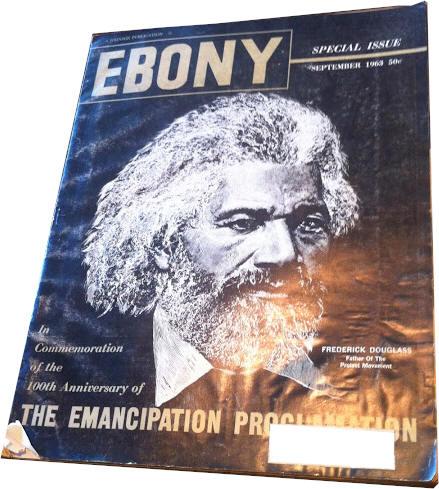
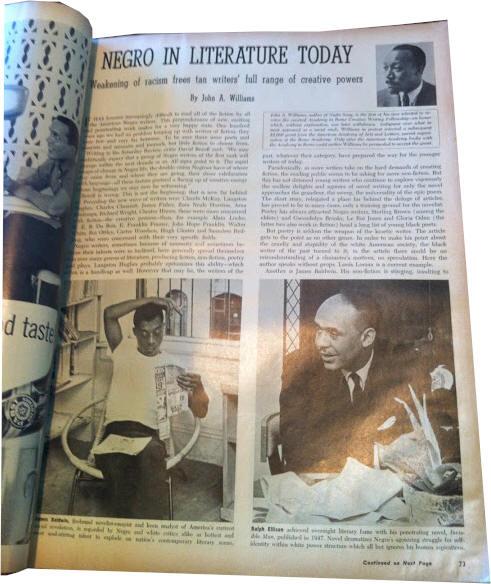
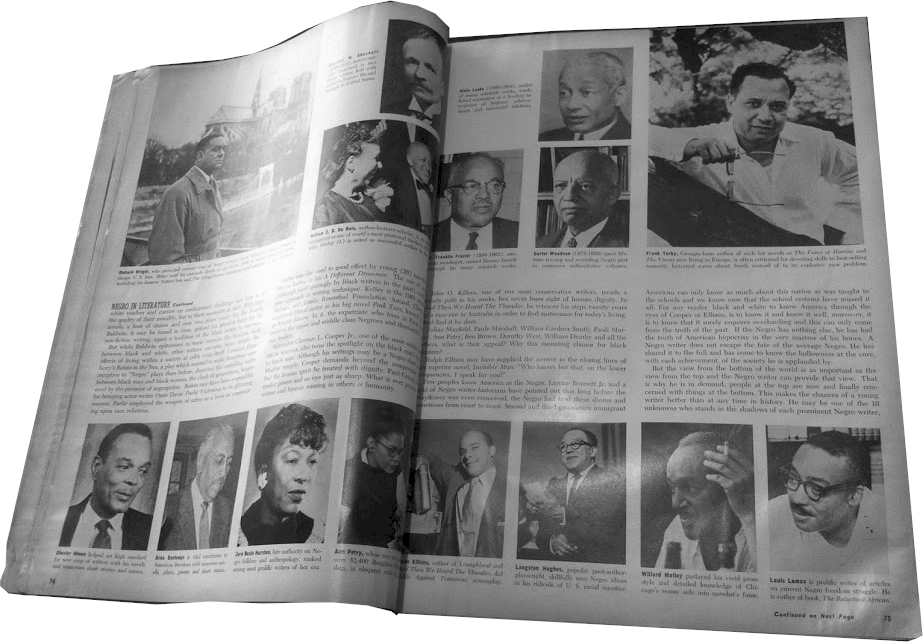
During a recent "vacation" I took to reading old issues of Ebony Magazine. I have a collection of about 30 issues from the 50's and 60's. The images below are from the September 1963 issue. I found the magazine simply fascinating. It can be purchased on Amazon (not for sale by me) and Google has made this issue available online, Interestingly, I see no indication that Ebony has provided an online archive on their website. I still find it amazing, annoying even, that Google profits from Ebony's content while Ebony loses out on traffic and associated revenue. Of course, I've been critical of Ebony's online presence in the past, but it still irks me when they blow opportunities by failing to take advantage of their wealth of information. Run a Google search on Ebony Magazine September 1963, as see how many pages deep you have to go before you even see a link to Ebony Magazine's website. The quality of writing was superb for a magazine marketed to a Black mass audience. The whole idea that these types of articles (long form, written above a 8th grade reading level, not celebrity or scandal driven) don't appeal to Black readers in 2014 does not hold water--particularly with so many more Black people holding college degrees in 2014 compared to 1963. The article depicted below, "Negro in Literature Today" was written by John A. Williams. Williams offered a terrific, now historical, snapshot about the best Black writers in 1963. Most of the authors cited are profiled here on AALBC.com, but there were a couple of writers I was unfamiliar with, but rest assure I will profile them here on AALBC.com shortly. I can't image Ebony or any mainstream magazine publishing a piece like this today. While the contest was the advertised products often left a lot to be desired. Advertisements for cigarettes and hard liquor dominated. I was also surprised to see ad for skin lightening creams. The dichotomy between the advertisements and the content was much more stark back then. Cynique in some ways I envy your generation. Don't get me wrong you can keep the overt racism and segregation you had to deal with, but I think the Black community was better served by their institutions (publications, churches, civil right organizations, HBCU's, etc). What do you think?
 1 point
 -
Liquor and cigarette ads were taken in stride. Drinking and smoking were considered cool, and mostly everybody did it, including me. There actually used to be ads claiming 1 out of every 3 doctors preferred Camel cigarettes. Famous athletes also endorsed cigarette brands. But, even back before the "black is beautiful" phase appeared, the ads for skin lighteners didn't meet with a lot of approval. Hair products alternated between hair straighteners and Afro enhancers as the popularity of each style rose and fell down through the years. Fads and fashions came and went, but the quest to exude sex appeal never vanished. When Musk oil first came out, it was all the rage because it really did turn men on. Later, wearing cologne became acceptable among guys and the sale of different brands really took off. Wearing earrings also grew in popularity among men about this time. Yes, back then Blacks were anxious to integrate the white landscape but, they were not entirely compromised. Along the way, the black mystique ended up capitvating white people who came to be impressed with the inimitable hipness and style of soul brothas and sistas.1 point
-
Unfortunately, Troy, it was during my generation that black resources became under utilized because the drive for integration was on and this meant forsaking what was “all-black” while eagerly embarking on incursions into the white world that was opening up for us. But there was one exception back then. During the infancy of TV and the absence of the Internet, the the print media was the home of literary and intellectual discussion. When it came to a black dialogue on these subjects a showcase was provided by a "Negro" counterpart of LIFE magazine that was relatively new to the field. This upstart publication was Ebony and it quickly became the flagship for black communication, providing a voice for all segments of the African American population which included the successors to the Harlem Renaissance crowd who always found an outlet for their output on the pages of Ebony. So Ebony has, indeed, earned its place among the paragons and pioneers of black journalism. Also worthy of note, is that the book by one of its editors, Lerone Bennett, entitled “Before the Mayflower” is a definitive study on slavery still used as a reference in many classrooms. And to this day, appearing on the cover of Ebony remains an honor and a privilege. As you discovered, Troy, copies of Ebony down through the years provide a pictorial as well as editorial record of black life in America. There was one particular series Ebony ran entitled “The White Problem in America“, a groundbreaking analysis of race that really dispelled many long held assumptions. Do you happen to have a copy of this issue? Incidentally, having been an inveterate contributor to the “letters-to-the-editor” feature of newspapers and magazines, I am proud to say that Ebony always printed letters I wrote to them back in the day.1 point
